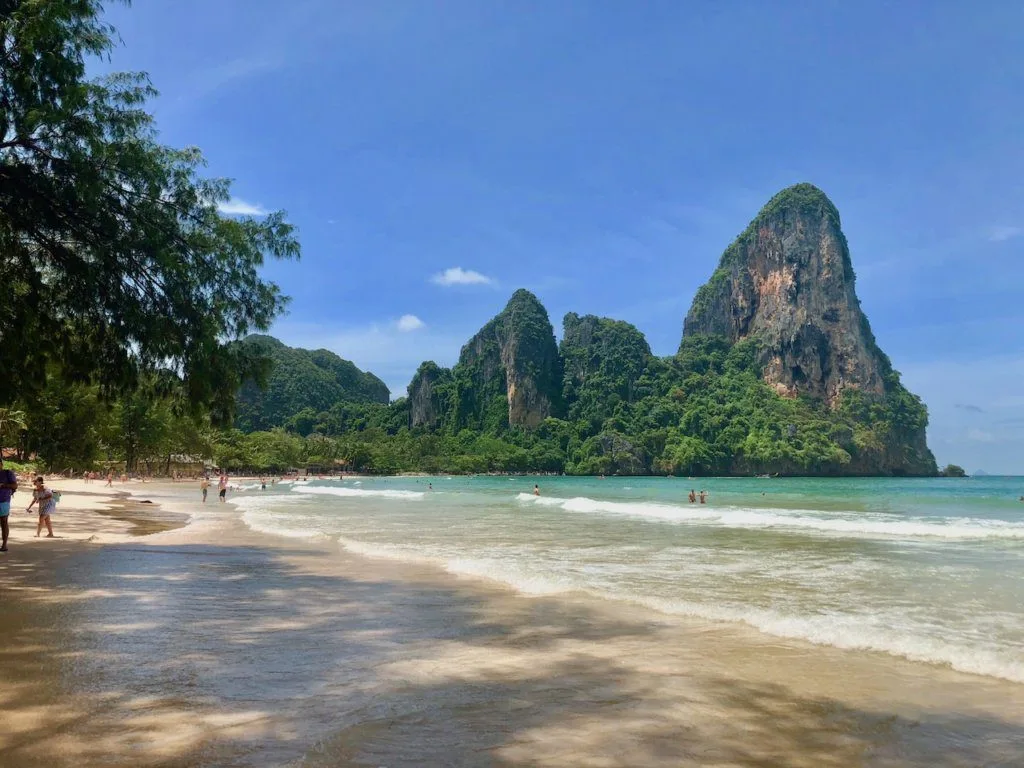
Speedboat vs Longtail Boat for Island Hopping From Railay or Tonsai
Boat choice changes the shape of a peninsula day more than many first-time visitors expect. The better pick is the one that matches your route, tolerance for sun and spray, and how much transfer time you are willing to spend between stops.
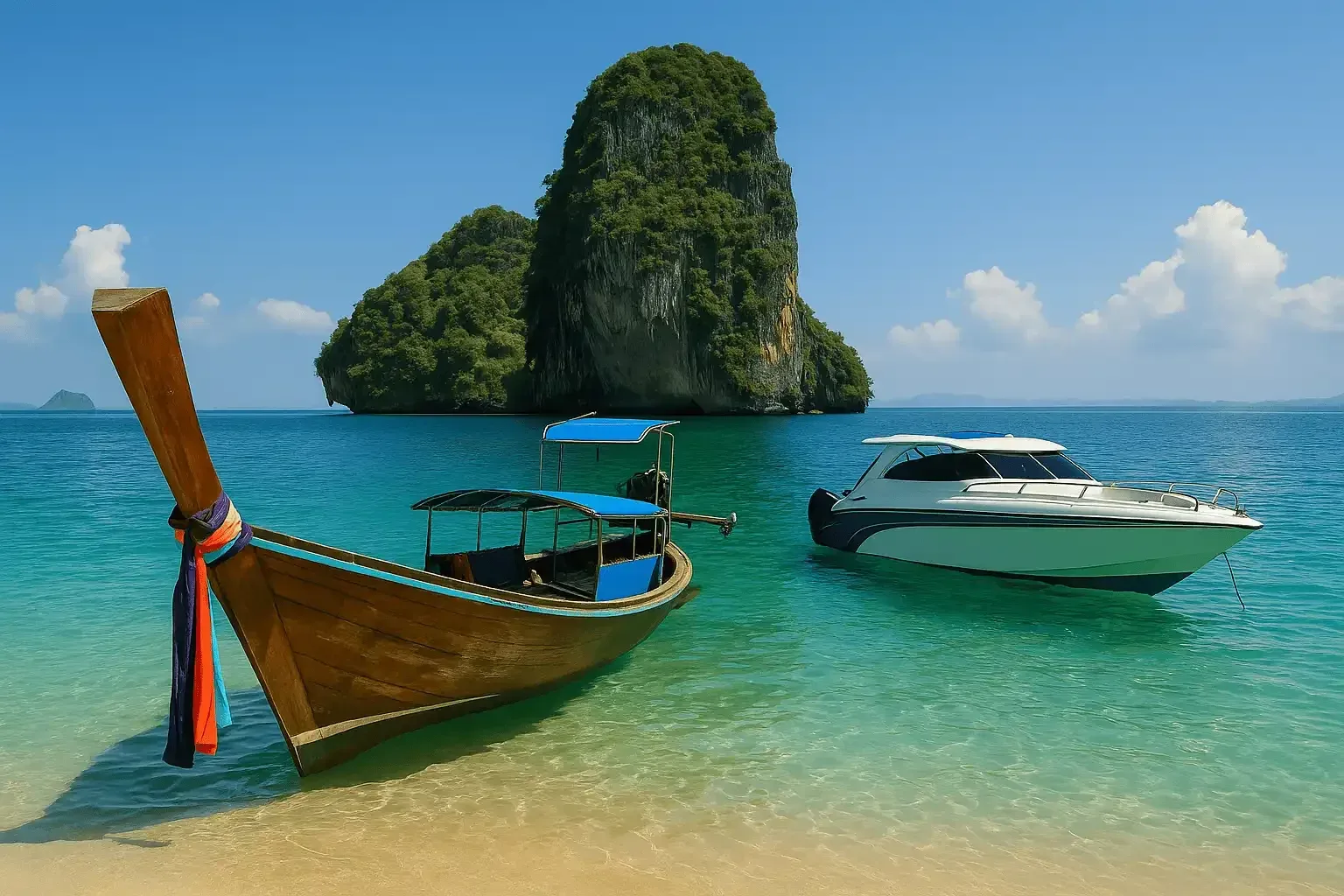
Speedboat vs Longtail Boat for Island Hopping From Railay or Tonsai
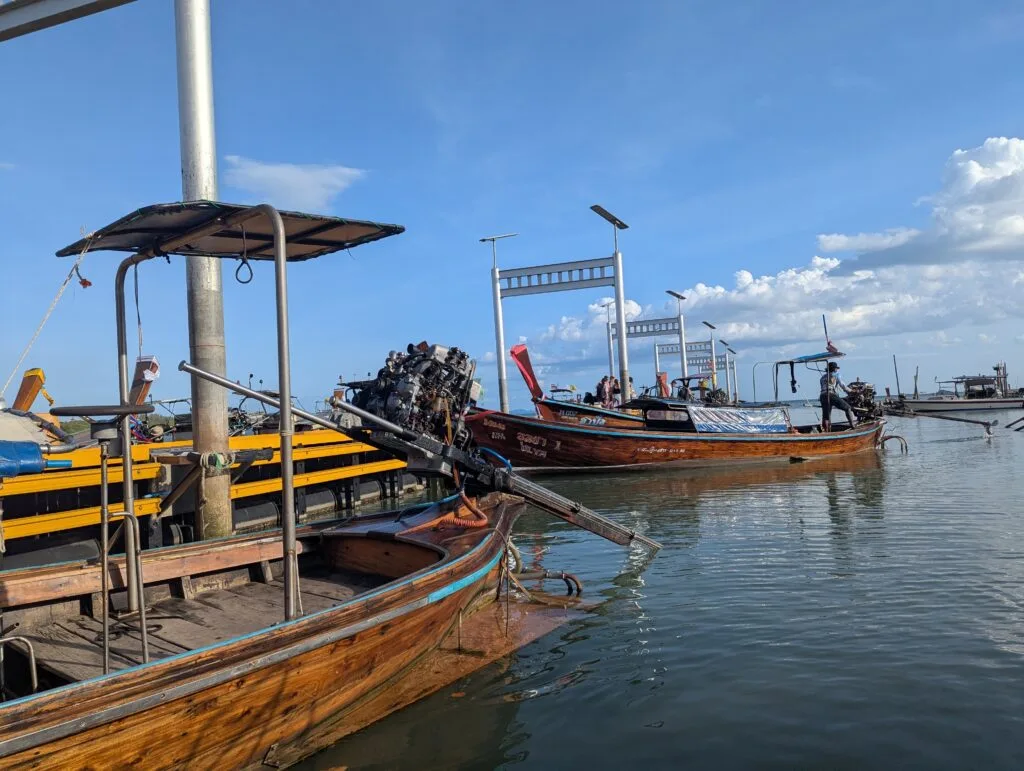
A lot of Krabi boat decisions get reduced to a lazy shortcut: speedboat for convenience, longtail for atmosphere. sounds tidy, but it misses the real trade-off. The best boat depends on how far you are going, how many stops you want, and whether your day can absorb a slower, more exposed ride.
For Railay and Tonsai travelers, this matters even more because every transfer already eats into beach time. A longtail can be perfect for a nearby scenic hop, while a speedboat can rescue a stop-heavy day that would otherwise spend too much of itself in transit. The useful question is not which boat is generally better. It is which boat fits this day.
"Krabi Thailand Boat Tours: Longtail vs Speed Boat – Which Is Your Best Choice?"
Looking to book aboat tourin Krabi, Thailand or the area? Whether you're staying in Krabi Town or heading toAo Nang, you've ...
- Channel: Ansons Journey
Found a helpful clip from Ansons Journey if you want to watch it on YouTube.
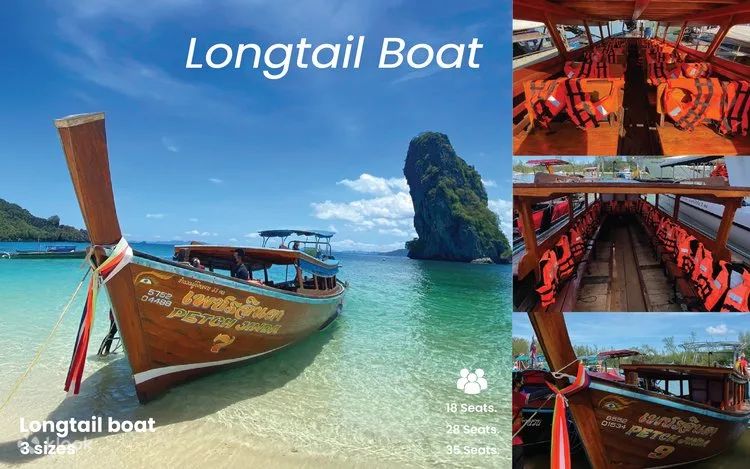
Speedboat vs Longtail Boat for Island Hopping From Railay or Tonsai
Start with route length, not boat romance
Longtails look iconic, and speedboats sound efficient, but neither label helps much if you ignore the actual route. A short scenic crossing asks very different things from you than a day that jumps between several islands.
is the right starting point for Railay or Tonsai readers. If the route is close and the day is relaxed, a longtail often gives you enough without solving a problem you do not really have. If the route is longer or the schedule is packed, speed starts becoming practical rather than flashy.
Pick the boat that serves the route. Do not start with the boat and then force the day to justify it.
- Short hops often keep the longtail in play.
- Longer or stop-heavy days make speed more valuable.
- Judge the boat by the route first.
Use a speedboat when transfer time is the real bottleneck
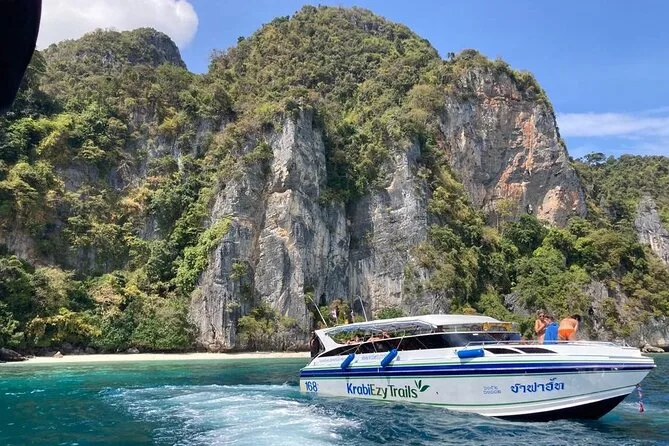
The speed gap is clear: speedboats can run roughly two to three times faster on some common routes. difference matters most when your day has several moves stacked together or when one long crossing would otherwise consume too much of the best swimming and beach hours.
This does not mean every island day needs a speedboat. It means time has value. When you are trying to fit in more than one meaningful stop, faster transport can protect the day from turning into a chain of rides with only short moments on shore.
If you already feel pressed by departure times, return timing, or weather windows, speed is usually solving a real planning problem.
- Use speed when the day has multiple transfers.
- Treat saved travel time as extra beach or snorkel time.
- Pay more for speed only when the faster boat changes the day in a useful way.
Speedboat vs Longtail Boat for Island Hopping From Railay or Tonsai
Use a longtail when price and local feel matter more than pure efficiency
Longtails stay popular for a reason. They are usually cheaper, feel more open to the scenery, and suit travelers who do not mind a slower ride if the destination is not far away. For nearby islands or simple point-to-point hops, the longtail can feel more in tune with the area than a faster enclosed transfer.
The trade-off is exposure. You get more sun, spray, and movement, and the slower pace becomes more noticeable if the route stretches out. does not make the longtail worse. It just makes it best for the days where the slower experience still feels like part of the reward.
A longtail is often the better answer when the day is simple and the budget matters more than shaving every minute.
- Use longtails for shorter scenic routes and simpler plans.
- Expect a cheaper ride but a more exposed one.
- Let atmosphere matter when time pressure is low.
Comfort and sea conditions can outweigh small savings
The comfort difference is easy to underestimate on land. Once you are out on the water, a rougher or longer crossing can make a speedboat feel worth the extra cost simply because the ride is shorter and often smoother in bigger waves.
matters if someone in your group gets seasick easily, burns quickly in direct sun, or just does not enjoy long exposed transfers. On the other hand, if everyone is comfortable with an open-air ride and the route is mild, comfort may not need to drive the decision at all.
This is one of those choices that should be honest rather than aspirational. Pick the boat you can enjoy, not the one that sounds better in a trip story.
- Treat seasickness and sun exposure as real planning factors.
- Rougher or longer water time usually strengthens the case for speedboats.
- Do not overspend on comfort if the route is short and calm.
For groups, compare per-person value instead of sticker price alone
while a speedboat tour may make more sense for solo travelers or pairs joining an existing group.
This is where the planning math changes. A cheap-looking public option may cost you too much time, while a pricier boat can become reasonable once divided across the whole group and measured against the day it protects.
The practical move is to compare total day value, not just the first quoted fare.
- Check whether a private longtail becomes cheaper per person for your group.
- Compare the whole day outcome, not only the first ticket price.
- Use shared speedboat tours when you want convenience without paying full private-boat rates.