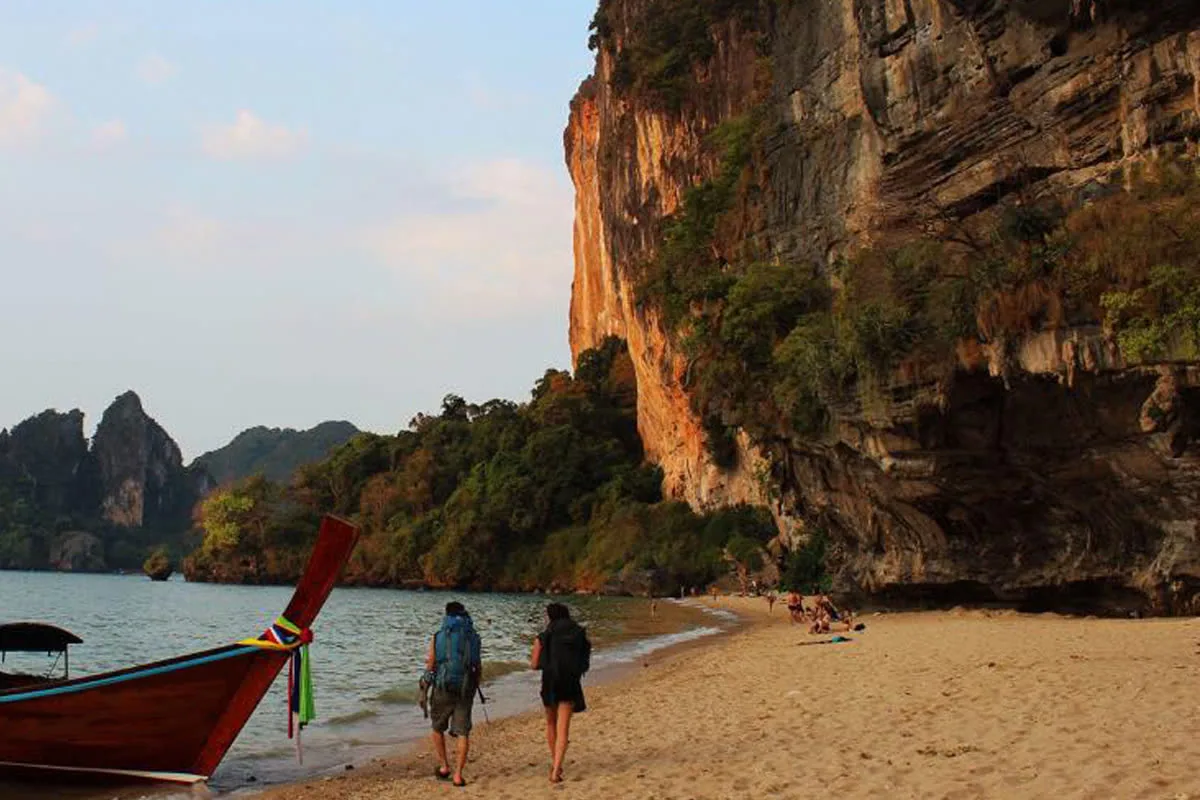
How to Plan a Hong Island Day From Railay or Tonsai Without Wasting the Transfer
A Hong Island day can be one of the best add-ons to a Railay or Tonsai stay, but only if it delivers a different kind of day instead of creating a transfer-heavy blur. Good planning means choosing the right season, accepting the park-fee and tide realities, and matching the boat plan to your energy and time window.
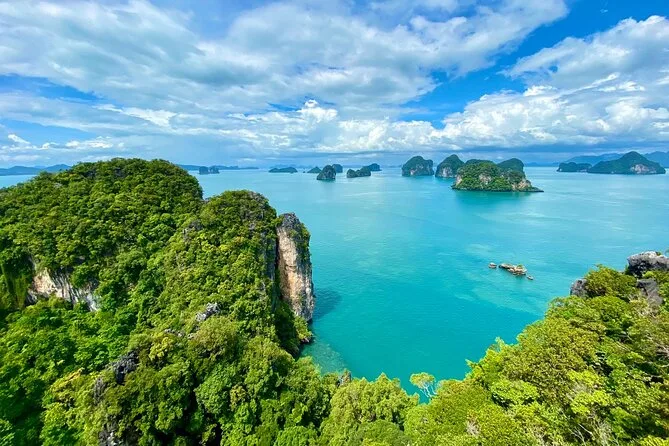
How to Plan a Hong Island Day From Railay or Tonsai Without Wasting the Transfer
- Decide first whether Hong Island gives your stay something new
- Target the calmer season instead of forcing the trip in rougher months
- Plan around the unglamorous details: park fee, tide, cash, and gear
- Choose the route and boat style by tolerance for structure, not hype
- Keep Ao Nang in mind as the logistics anchor even if you sleep on the peninsula
Hong Island is one of the easiest day-trip names to circle from a Railay or Tonsai stay because the payoff is obvious: bright water, protected scenery, and a real change from the peninsula beaches. The problem is that brochure excitement hides the planning math. You still have to decide whether the transfer is worth it from your base, which season gives you the best shot at calm water, and whether a half-day or full-day route fits the trip you actually want.
is where this article goes narrower than a generic Hong Island guide. If you are already sleeping in Railay or Tonsai, the goal is not simply to reach Hong Island somehow. The goal is to decide when the island day adds something genuinely better than staying local, and how to plan the boat, timing, tide, and packing so the day does not feel more complicated than it is worth.
Krabi adventure—Railay Beach, Ao Nang, and Hong Island
If you'replanninga trip to Krabi, Thailand, Ao Nang is one of the most popular places to stay—but what can you actually ...
- Channel: Wildlings & Waypoints
Found a helpful clip from Wildlings & Waypoints if you want to watch it on YouTube.

How to Plan a Hong Island Day From Railay or Tonsai Without Wasting the Transfer
Decide first whether Hong Island gives your stay something new
part is fair. The more useful planning question for this site is whether the island gives your Railay or Tonsai stay a different type of day instead of a repeat. If you already feel happy spending most of the trip between beach walks, easy swims, and slow peninsula hours, Hong Island should be the one outside day, not the start of a chain of tours.
The day pays off most when you want clearer water, a stronger island feeling, and a cleaner separation from the cliffs-and-peninsula rhythm of your base. If you are only booking it because every Krabi list includes it, the transfer can start to feel like obligation instead of payoff.
distinction matters on short stays. One good Hong Island day can improve the trip. Too many add-ons can thin out the reason you stayed in Railay or Tonsai in the first place.
- Use Hong Island as one deliberate contrast day, not a reflex checklist stop.
- Book it when you want a stronger clear-water island feel than the peninsula offers.
- Protect at least one easy on-peninsula day if Railay or Tonsai is the main reason for the trip.
Target the calmer season instead of forcing the trip in rougher months
while May through October can bring monsoon conditions that change the whole feel of the trip. From a Railay or Tonsai base, that warning matters even more because you are already depending on boat movement as part of the day.
A rough crossing, cloudy water, or weather delay does not just hurt the Hong Island segment. It can also make the whole out-and-back day feel harder than a traveler expected when looking at dry-season photos online.
If your travel dates fall in the wetter period, treat Hong Island as a maybe-day tied to conditions rather than a fixed promise. keeps expectations realistic and leaves room for a peninsula day or Ao Nang fallback if the sea does not cooperate.
- Aim for November to April when possible.
- Treat monsoon-season plans as conditional, not guaranteed.
- Remember that sea quality and visibility matter as much as sunshine in the photos.
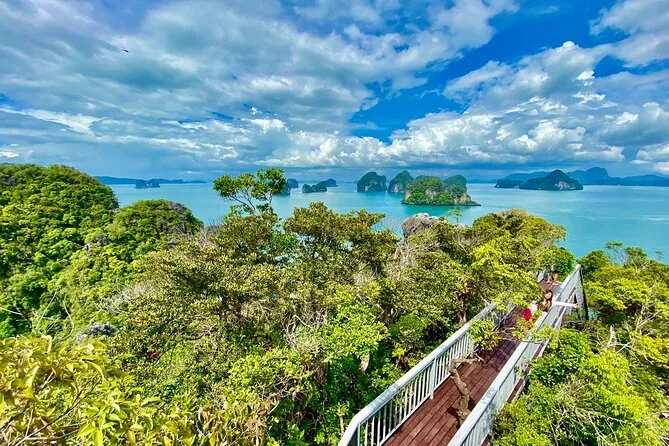
How to Plan a Hong Island Day From Railay or Tonsai Without Wasting the Transfer
Plan around the unglamorous details: park fee, tide, cash, and gear
It points out the park fee, tide changes, environmental rules, and the need for cash. Those details are exactly what separates a smooth Hong Island day from a sloppy one.
For a Railay or Tonsai traveler, the tide note is especially useful. Tide conditions can change the look and comfort of shoreline time even on a good-weather day, so checking that information ahead of time is smarter than assuming every hour will look like a postcard. Cash is still worth carrying for fees and small purchases, and a waterproof bag belongs in the plan by default, not as an afterthought.
These are not exciting details, but they are the ones that make the day feel easy once you are moving.
- Expect a national-park fee and carry enough cash to cover it.
- Check tide conditions before locking in the timing.
- Pack a waterproof bag, sun protection, and easy footwear instead of overpacking the day.
Choose the route and boat style by tolerance for structure, not hype
some Hong Island trips go straight to the island while others add extra stops and use Hong as the main highlight. is the real planning fork. A direct plan is better when you want a simpler island day with less mental clutter. A broader route makes more sense when you actually enjoy stop-chasing and want to turn the day into a fuller island circuit.
Boat choice matters the same way. Some travelers are happier with a simple longtail-style experience and a slower rhythm. Others prefer speed and a tighter schedule. There is no universal right answer, only the better match for how much structure and motion you want from the day.
From a Railay or Tonsai base, the cleanest plan is often the one that leaves enough energy to still enjoy the peninsula afterward, not the one that squeezes in every possible stop.
- Pick a direct plan if Hong Island itself is the whole point.
- Choose a multi-stop route only if you truly want a busier island circuit.
- Match the boat type to your comfort with speed, motion, and schedule pressure.
Keep Ao Nang in mind as the logistics anchor even if you sleep on the peninsula
services, restaurants, and departure convenience. does not mean you need to move your stay there. It means Ao Nang remains the practical reference point in the planning chain even when Railay or Tonsai is home base.
For this site, the useful takeaway is to respect the logistics hub without letting it replace the stay you actually wanted. If you are sleeping on the peninsula, plan the Hong Island day with enough buffer to handle boat coordination smoothly and enough honesty about the return so the day does not end in a rushed scramble.
Used that way, Ao Nang becomes a planning helper, not a reason to second-guess a Railay or Tonsai base.
- Use Ao Nang as a logistics reference, not automatically as a better place to stay.
- Build buffer time into departures and returns instead of treating the day like a perfect clockwork run.
- Let the Hong Island day support the peninsula stay rather than overpower it.