When the Water Looks Clearest Around Railay and Tonsai
If clear turquoise water is one of your biggest priorities, do not only ask about the weather. Ask which months usually settle the sea, which beaches stay shallower and murkier, and when it is smarter to add a nearby island stop instead of forcing the peninsula to deliver perfect visibility every day.
When the Water Looks Clearest Around Railay and Tonsai
- Treat clear water as a timing question, not a guaranteed Railay feature
- Late dry season is the strongest window for clearer-looking peninsula water
- Know what usually makes Railay or Tonsai look murkier than expected
- Use Railay and Tonsai for beach mood, then upgrade to an island day when clarity is the real goal
- A simple rule for setting expectations before you book
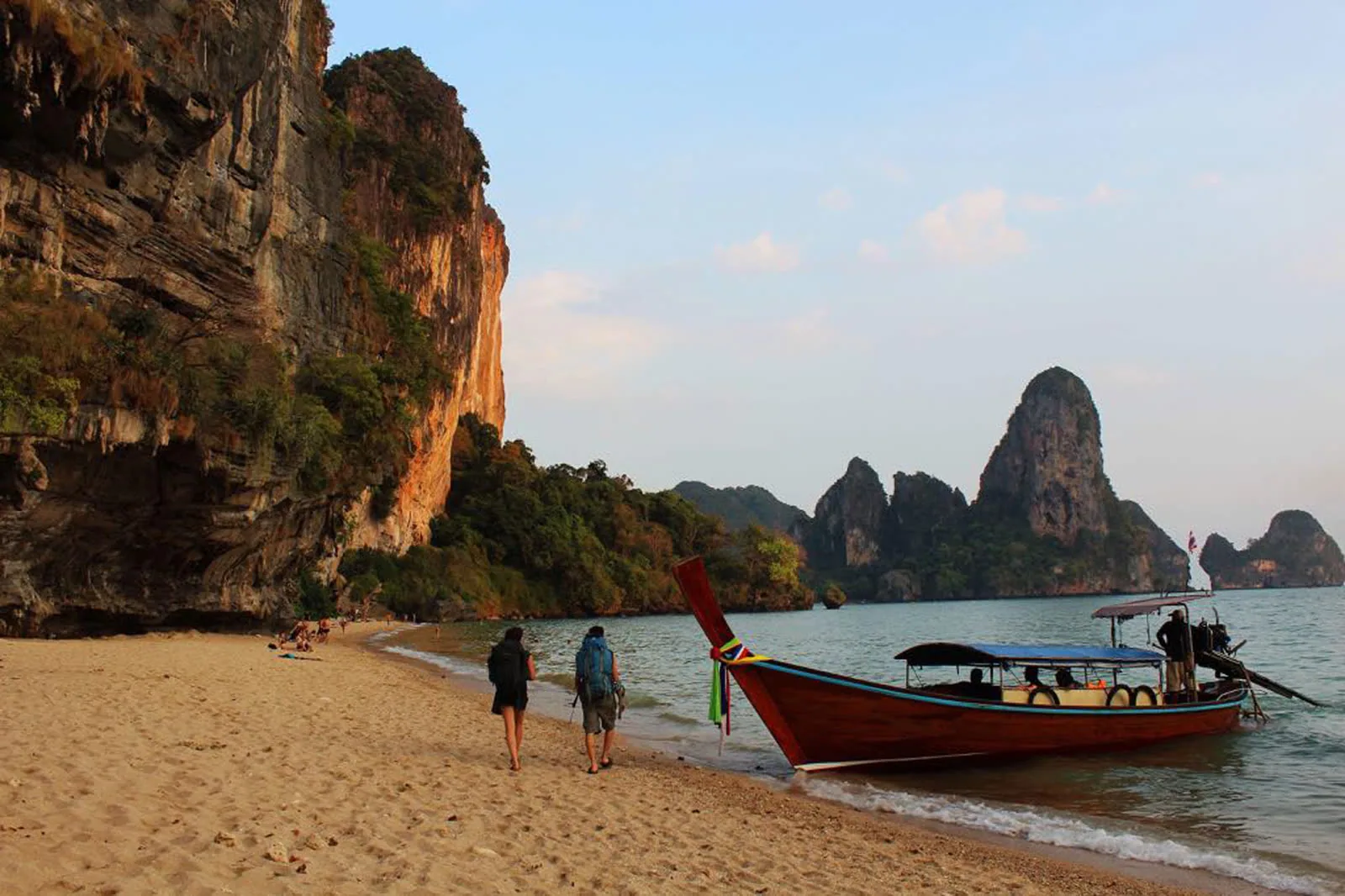
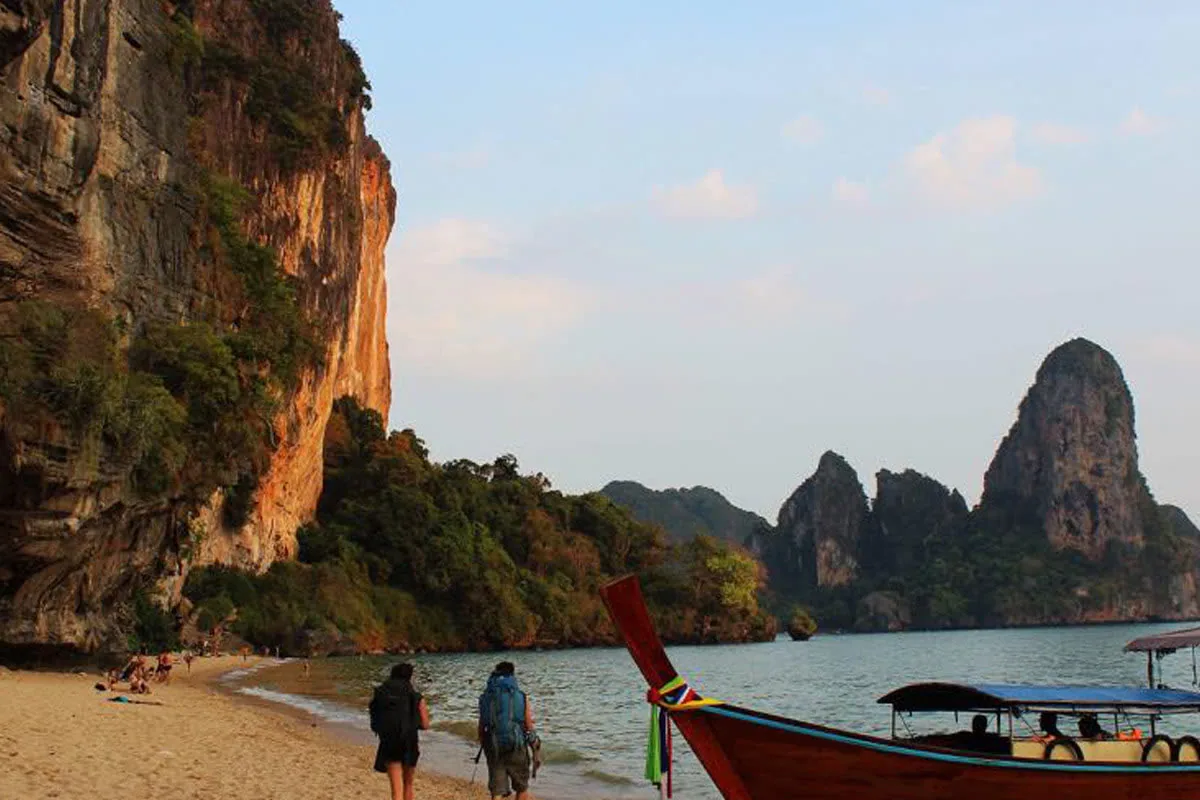
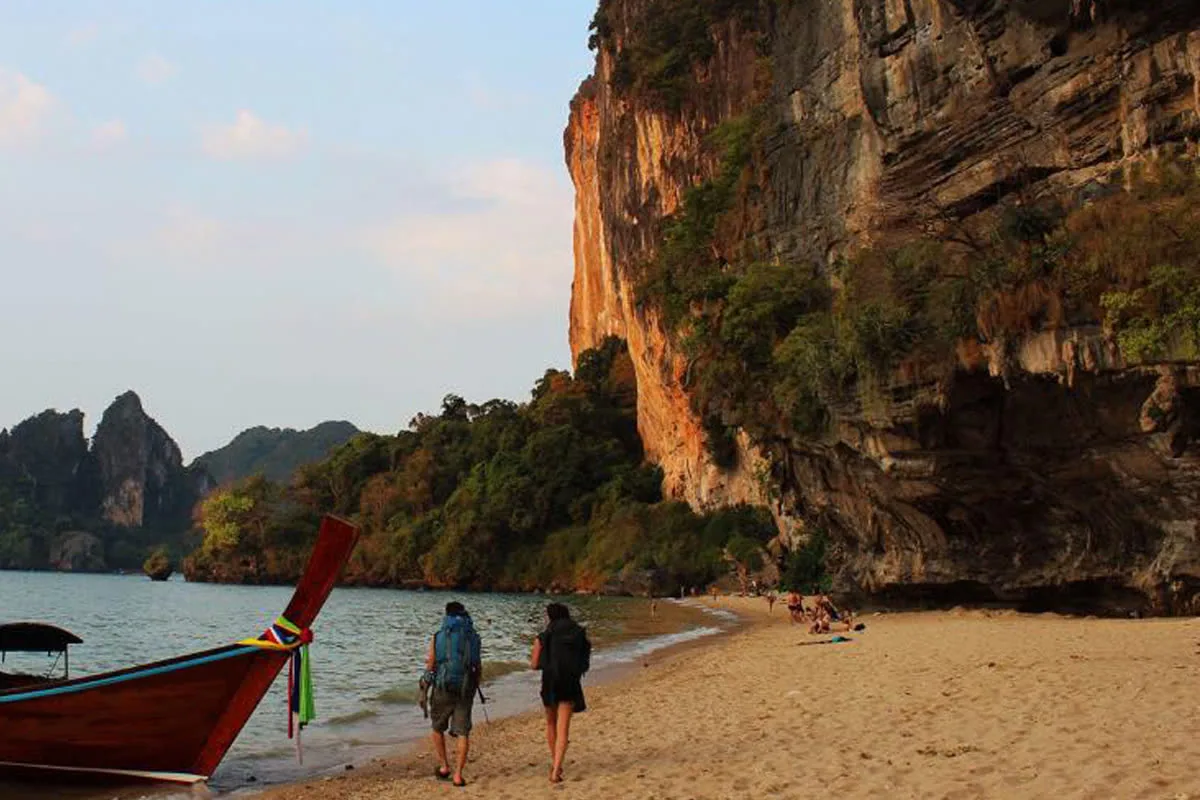
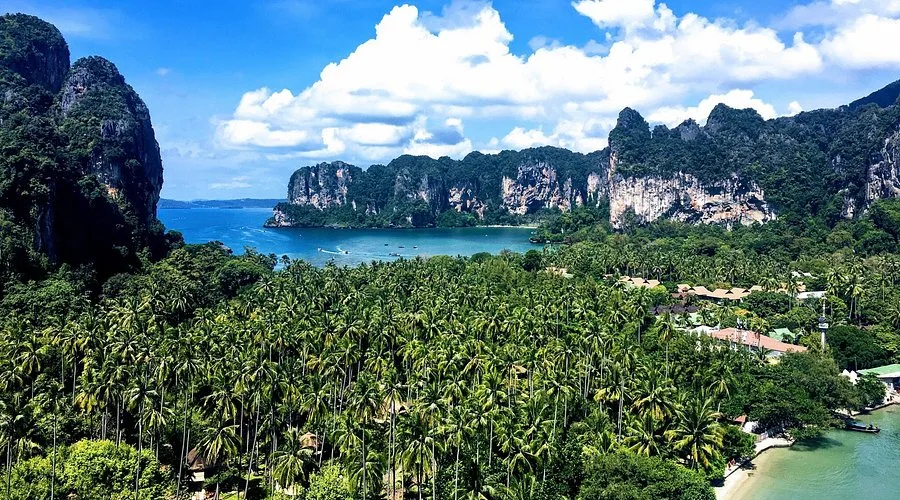
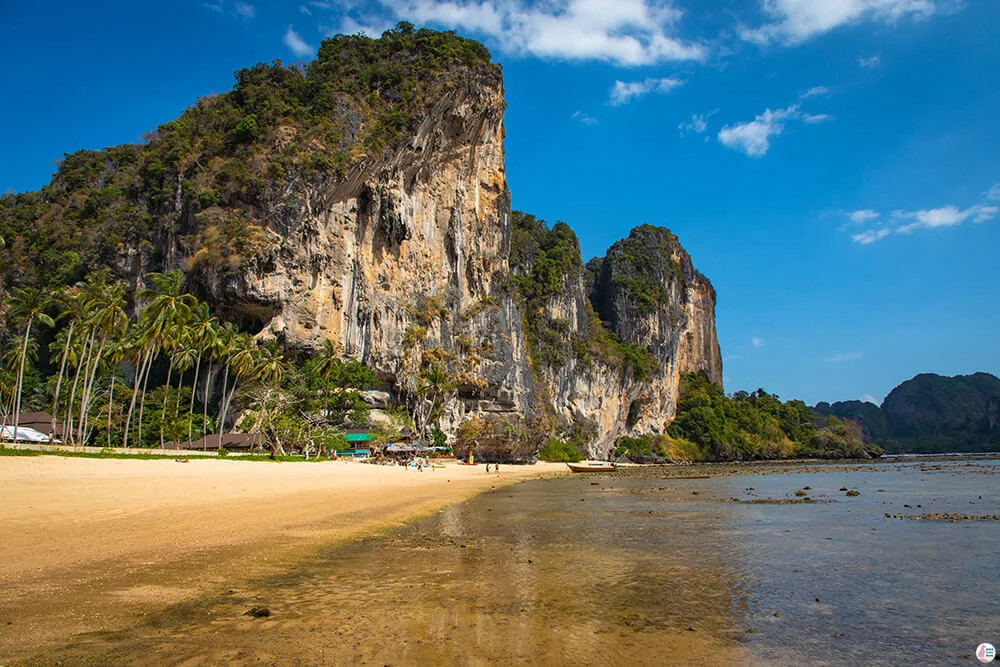
A lot of travelers describe Railay or Tonsai as if the water always looks the same once the sun comes out. It does not. Some visits give you that glassier blue-green look where you can see well into the shallows, while others are more about dramatic cliffs, warm swimming, and accepting that the water may read flatter or cloudier.
The useful planning question is not whether Railay and Tonsai are ever worth visiting outside the clearest period. They are. The better question is when the peninsula itself usually looks brightest, and when you should stop expecting perfect clarity from the local beach and instead build a day around a clearer nearby boat stop.
Focus this page on a practical decision guide for Krabi Chillout Tonsai readers who care about what the sea will actually look like around Railay, Tonsai, and easy add-on island days.
RAILAY & TONSAI BEACH, KRABI, THAILAND (4K VIBES)
Nestled along the turquoise waters of southern Thailand,Railay and TonsaiBeaches are twin paradises framed by towering ...
- Channel: Creative Visual Artz
Found a helpful clip from Creative Visual Artz if you want to watch it on YouTube.
When the Water Looks Clearest Around Railay and Tonsai
Treat clear water as a timing question, not a guaranteed Railay feature
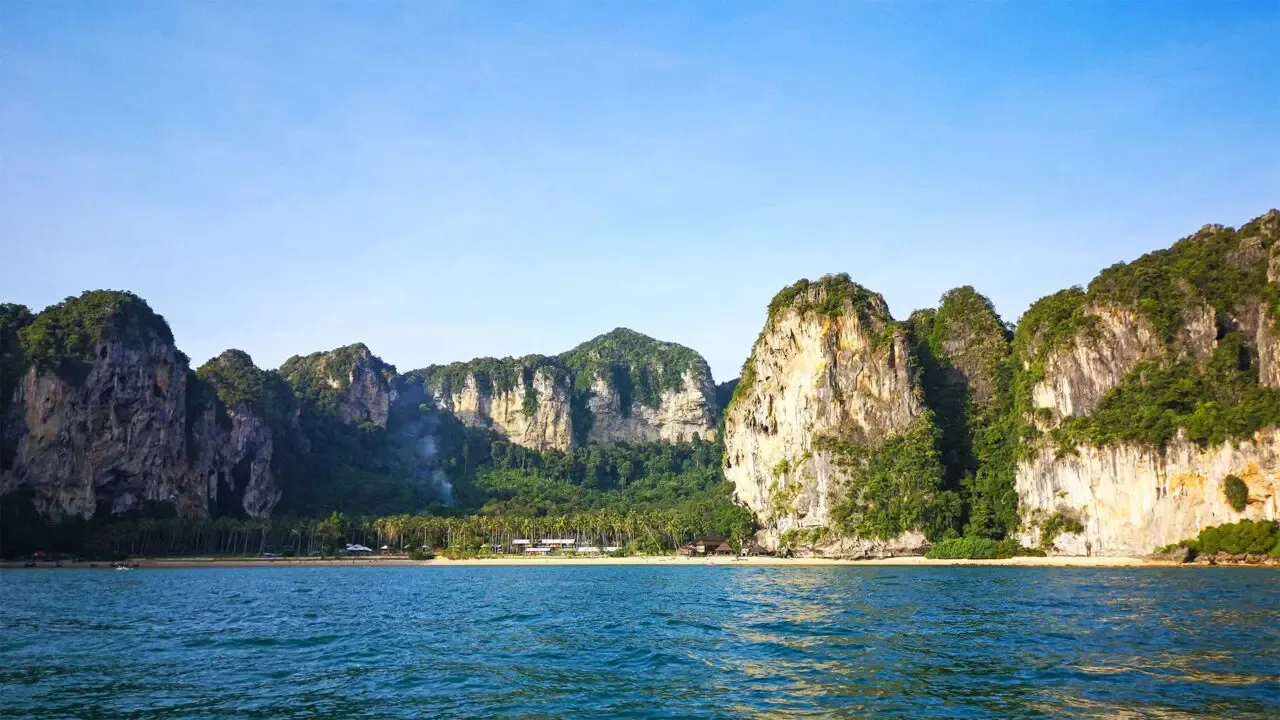
Railay and Tonsai are scenic in almost any season, but scenic is not the same as crystal clear. The cliffs, boats, and sand can still make the peninsula feel beautiful on a softer day, even when the water itself is carrying more sediment or reflecting a grayer sky.
is why clear-water planning works better when you separate beach beauty from underwater-style visibility. If your main goal is a pretty shoreline, many months can satisfy you. If you want that brighter, cleaner-looking water where the shallows read more transparently, your month choice matters much more.
- Do not assume a sunny day guarantees the clearest-looking water.
- Decide whether you care more about beach scenery, swim comfort, or true visual clarity.
- Use water expectations to shape the trip instead of judging the whole peninsula by one murkier afternoon.
Late dry season is the strongest window for clearer-looking peninsula water
The clearest pattern is the broader seasonal pattern: the calmer, drier part of the year gives Krabi its clearest water, with February and March presented as the peak visibility months and early April still usually strong. logic transfers well to Railay and Tonsai because lighter runoff and gentler surface movement make the shallows look cleaner and brighter.
January, November, and December can still be very satisfying for beach travelers, especially if you catch calm mornings. They just tend to be a little less dependable than the late-dry-season sweet spot. If clear water is one of your top trip priorities rather than a bonus, February into early April is the simpler answer.
- Use February and March as the clearest-water benchmark months.
- Treat early April as strong, but a little less locked-in than the peak weeks.
- Keep November through January in play if your trip dates are fixed and you only need good rather than perfect clarity.
When the Water Looks Clearest Around Railay and Tonsai
Know what usually makes Railay or Tonsai look murkier than expected
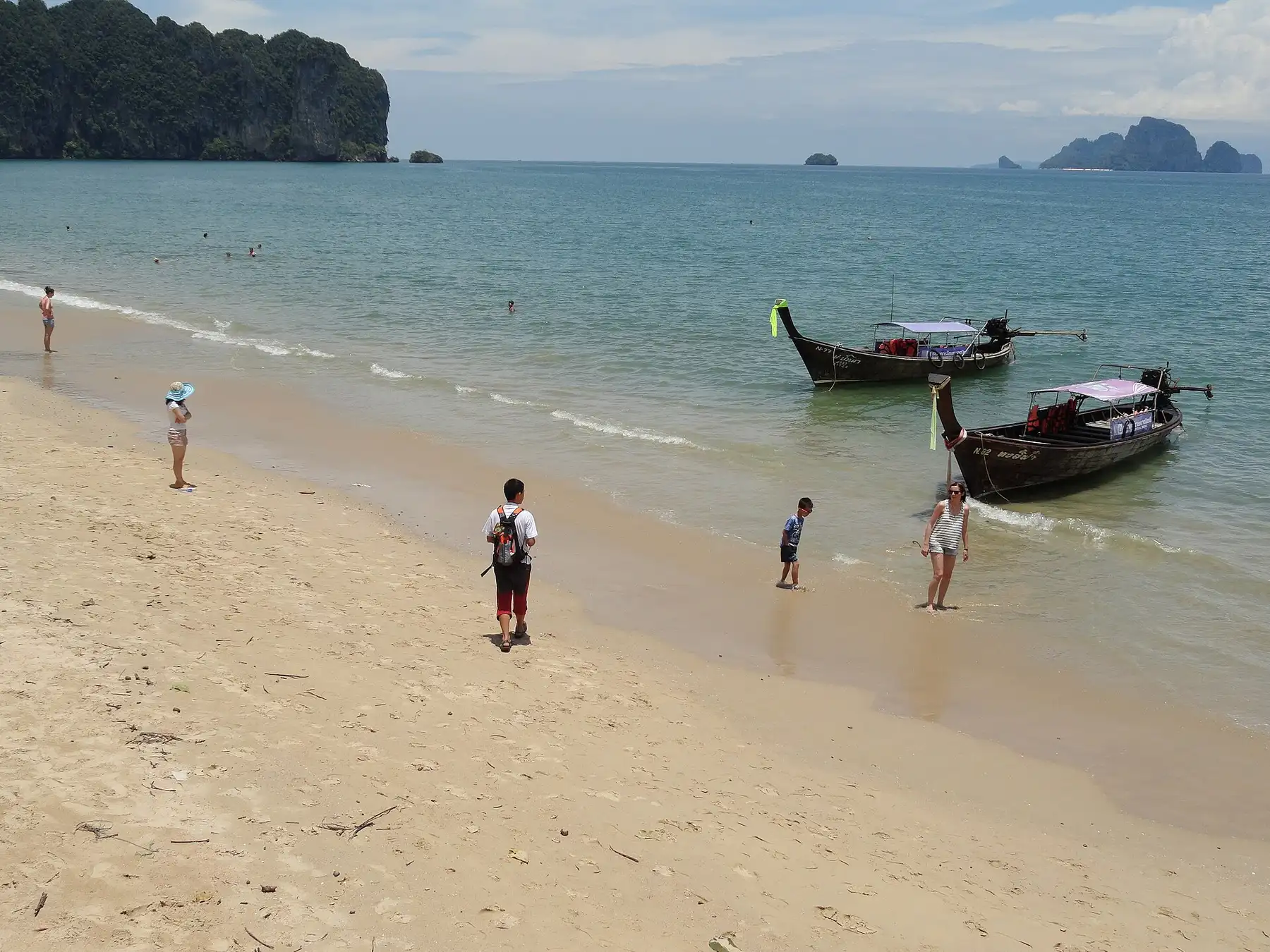
Even a good month can disappoint for a day or two if heavy rain washed sediment into the sea overnight or if wind and wave action keep stirring the shallows. Around peninsula beaches, that matters because you are often judging the water from close to shore rather than from a deeper snorkeling stop.
Tide matters too. At lower tide, the shallower sections can look flatter and cloudier, especially when people are walking, wading, and stirring up sand. When the sea is fuller and calmer, the same stretch can look cleaner and more inviting. is why some travelers think they visited in the "wrong season" when the real issue was timing within the day.
- Check for overnight rain before assuming the whole week will look bad.
- Expect lower-tide shallows to look murkier than a calmer, fuller tide window.
- Protect your best swim-and-photo hopes by going earlier, before wind and foot traffic build.
Use Railay and Tonsai for beach mood, then upgrade to an island day when clarity is the real goal
Not every Krabi water stop performs the same way. If your trip is built around that extra-clear, look-down-from-the-boat feeling, protected island stops can outperform the peninsula itself because they often give you deeper color and better visibility away from the busiest near-shore sediment.
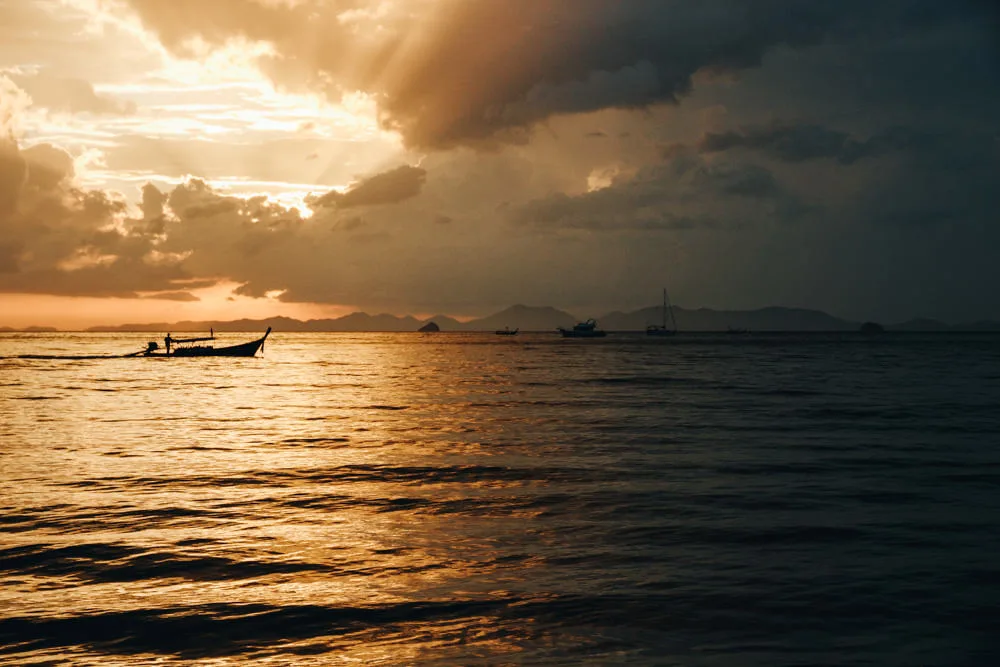
For a peninsula-first trip, that means keeping expectations realistic. Let Railay West, Phra Nang, and Tonsai carry your easy beach blocks and sunset hours. If you still want a dedicated clear-water day, use Hong Island, Phi Phi-side stops, or another nearby boat outing as the specialist upgrade rather than asking one local beach to do every job at once.
- Use the peninsula for easy beach access, cliffs, and flexible swim stops.
- Use a nearby island day when clarity is the headline priority.
- Do not judge the whole trip by whether one near-shore beach looked aquarium-clear.
A simple rule for setting expectations before you book
If you want the easiest answer, book late dry season and keep one morning free for your most important beach or boat session. gives you the best odds of seeing the peninsula at its cleanest-looking and the sea at its calmest.
If you are traveling in wetter or shoulder months, do not cancel the idea of Railay or Tonsai. Just change the promise you are making to yourself. Go for scenery, atmosphere, climbing, and warm-water beach time first, then treat extra-clear water as a welcome bonus rather than the baseline standard.
- Book February to early April if clear water is a top-three priority.
- Keep a flexible morning slot for the beach or boat session that matters most.
- In shoulder or wetter months, shift your mindset from perfect visibility to overall peninsula experience.