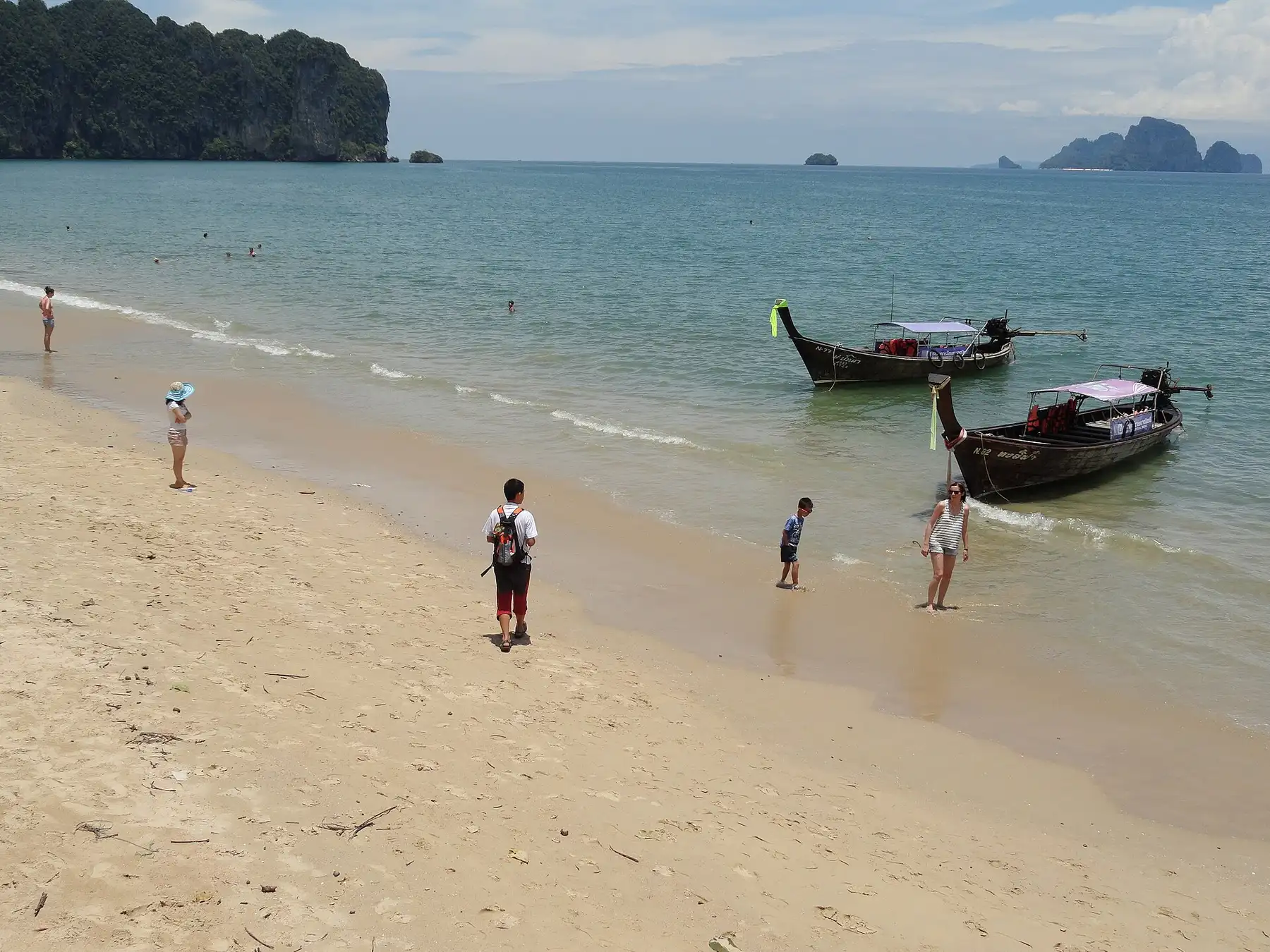
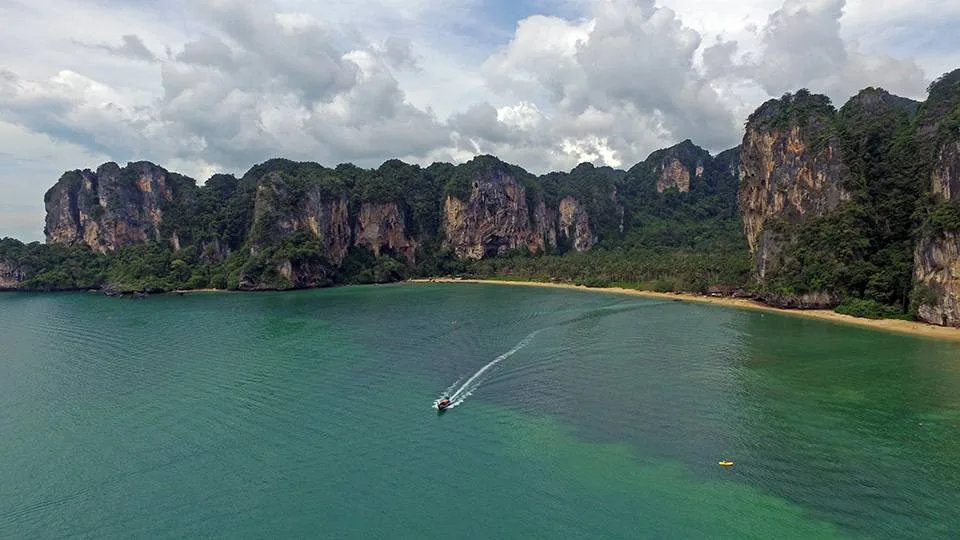
How to Use Ao Nam Mao Pier for Railay and Island Boats
Ao Nam Mao Pier can make Krabi logistics easier, especially for Railay East transfers and some island departures, but it is not a universal replacement for Ao Nang. The useful move is to know when the pier saves time, when it adds waiting, and when its route setup fits your day better than the more obvious alternative.
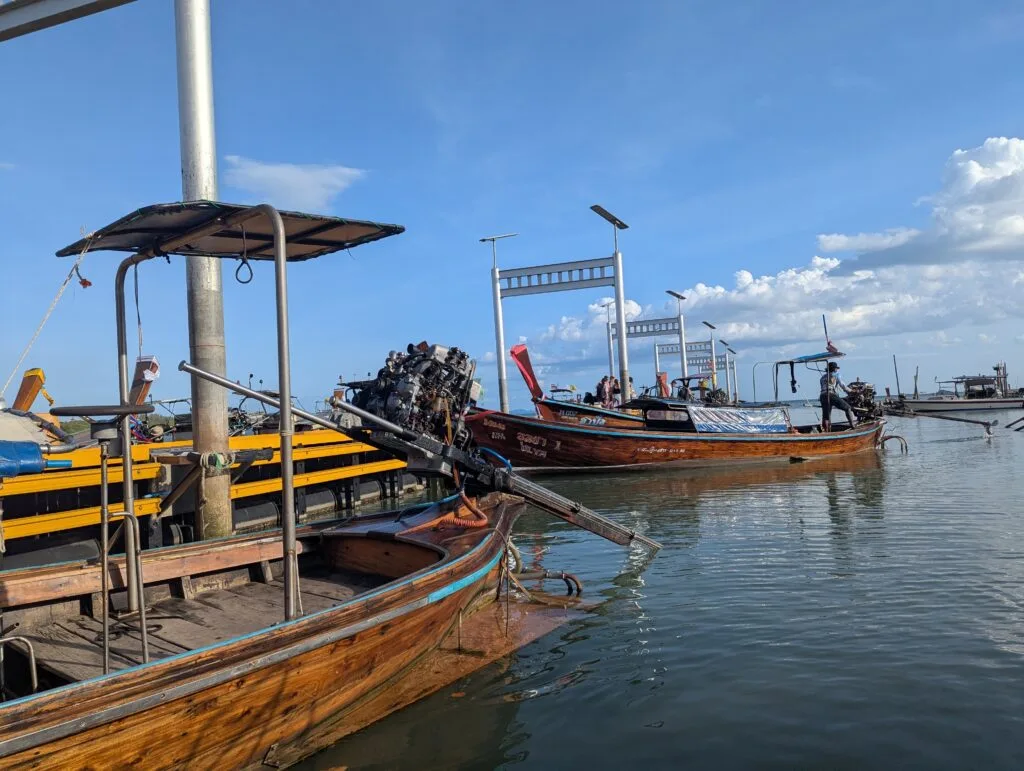
How to Use Ao Nam Mao Pier for Railay and Island Boats
- Start with the real advantage: easier Railay East access and less Ao Nang friction
- Remember that Railay West still means an extra walk after the boat
- Use the public longtail when price matters, but respect the wait pattern
- Match Ao Nam Mao to the right island day instead of treating it like a universal pier
- Compare Ao Nam Mao with Ao Nang by return comfort, not just departure convenience
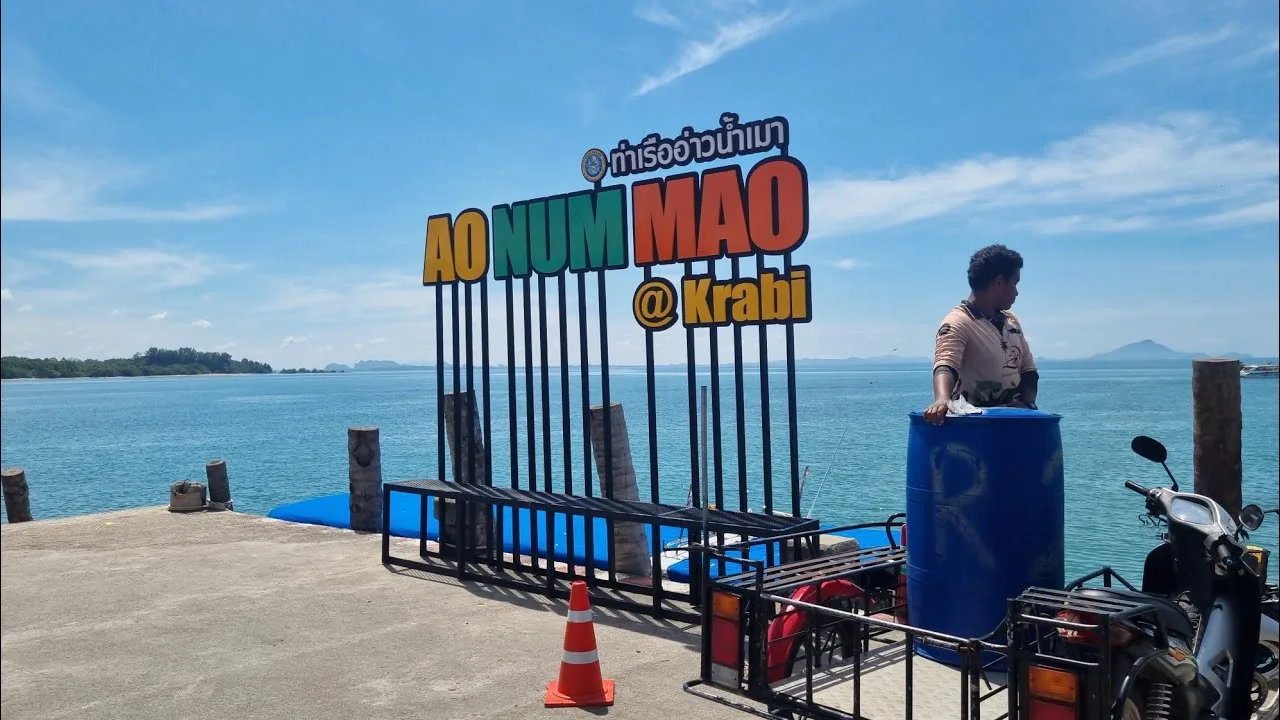
Ao Nam Mao Pier gets overlooked because most first-time visitors hear Ao Nang first. shortcut can cost people a better transfer. Ao Nam Mao is often the cleaner choice when you are heading to Railay East, driving yourself, or trying to avoid the busiest Ao Nang departure scene.
The catch is that Ao Nam Mao only feels easy when you understand what it actually does well. Boats leave on different rhythms, Railay West still means a short walk from the east side, and some island plans work better here than others.
Ao Nammao Pier to Railay: MONSOON SEASON 2018
Buy Smiley's book which donates $1 to a local shelter on Amazon: https://amzn.to/49FTGGX Or learn more at www.
- Channel: A Ukrainian Living in Hawaii - TheTravelBugBite
Found a helpful clip from A Ukrainian Living in Hawaii - TheTravelBugBite if you want to watch it on YouTube.
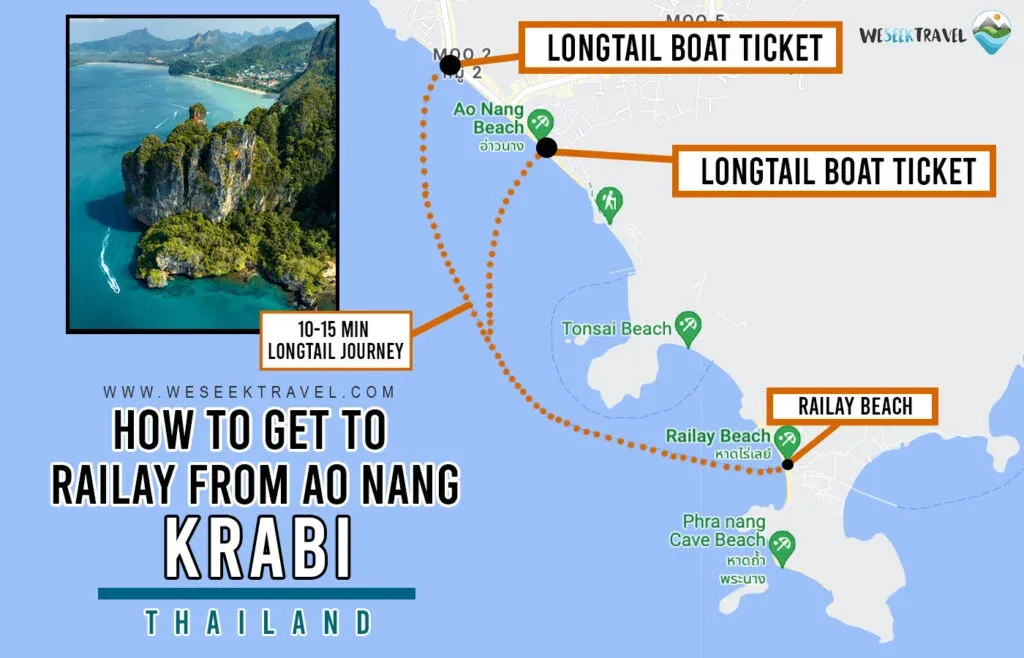
How to Use Ao Nam Mao Pier for Railay and Island Boats
Start with the real advantage: easier Railay East access and less Ao Nang friction
is a meaningful edge.
The pier also suits self-drive travelers better than the usual first-timer advice suggests. Easier parking and a calmer departure point can matter more than a slightly more famous pier name, especially if you are carrying bags, meeting a boat on a clock, or just trying to avoid a messy start.
does not make Ao Nam Mao the default for every visitor. It makes it a strong fit when your day begins on the east side logic of Railay rather than on the postcard image of Railay West.
- Use Ao Nam Mao first when Railay East is your landing point anyway.
- Give it extra credit if you are driving and want simpler parking.
- Do not choose a pier by reputation alone when the route geometry favors a different dock.
Remember that Railay West still means an extra walk after the boat
also the easiest to miss: boats from Ao Nam Mao do not land on Railay West. You arrive at Railay East, then walk across the peninsula. walk is short and flat for most travelers, but it still changes how you should picture the transfer.
If you are chasing a sunrise swim, hauling a lot of luggage, or traveling with someone who hates even small transfer layers, build that five-minute cross-peninsula step into the plan. The pier still works well, but it works best when you expect the east-side arrival instead of imagining a direct drop onto the west beach.
For many Railay or Tonsai readers, this is not a deal-breaker at all. It is simply the detail that turns Ao Nam Mao from a vague option into a route you can use confidently.
- Plan for a Railay East landing, not a direct Railay West drop-off.
- Treat the walk across as easy but still real, especially with bags or tired kids.
- Use Ao Nam Mao when that last short walk is acceptable in exchange for a simpler departure.
How to Use Ao Nam Mao Pier for Railay and Island Boats
Use the public longtail when price matters, but respect the wait pattern
Ao Nam Mao looks cheap on fare table because the public longtail to Railay starts around 100 to 150 baht per person. is useful, but the cheaper number only tells half the story. Public boats leave once enough people gather, so the real decision is price plus waiting tolerance.
high-season waits are framed as shorter and rainy-season waits as longer, with some rougher days stopping service altogether. is exactly the kind of detail peninsula travelers need. A low fare is less exciting when it makes you late for a climb, a check-in, or a timed island departure.
The better rule is simple: use the public boat when your schedule has flex and the savings matter. If the day is tightly timed, pay more attention to certainty than to the cheapest line on the board.
- Expect the public boat to depend on passenger count rather than a perfect fixed minute.
- Assume waits are easier in high season and less predictable in rainy periods.
- Choose certainty over the lowest fare when the day has a tight schedule.
Match Ao Nam Mao to the right island day instead of treating it like a universal pier
Ao Nam Mao can connect to Railay, the 4 Islands, Hong Island, and some Phi Phi shuttle options, but that does not mean it is the best starting point for every one of those days.
For Railay, the case is strong because the distance is short and the east-side landing is logical. For island days, the pier becomes more situational. It can work well if the operator, timing, and pickup pattern already line up with your plan, but it is less helpful if you are forcing it into a day that really wants a different hub.
is why the pier belongs in the planning conversation, not automatically at the center of it. Choose it because the route fits your day shape, not because one article table made it look like the only smart dock in Krabi.
- Use Ao Nam Mao confidently for Railay transfers.
- Check island departures by route and operator instead of assuming every tour uses the pier equally well.
- Let the day plan decide the pier, not the other way around.
Compare Ao Nam Mao with Ao Nang by return comfort, not just departure convenience
Ao Nam Mao often wins the departure argument when you want easier parking or a shorter hop to Railay East. Ao Nang can still win the return argument if your day is likely to drift toward west-side beach time, more flexible pickup options, or a busier tourist zone where backup transport is easier to find.
comparison matters for Railay and Tonsai readers because the day rarely ends exactly the way it began. Tide, weather, late lunches, and boat crowding can change your mood by afternoon. A pier that looked smartest at breakfast can feel less convenient if the return becomes the stressful part.
The practical way to choose is to picture the whole loop: where you start, where you land, what time pressure you face, and how much uncertainty you can tolerate on the way back.
- Judge the pier by the full out-and-back day, not only by the morning departure.
- Ao Nam Mao often favors easier starts; Ao Nang can favor broader fallback options later.
- Pick the pier that keeps both the first transfer and the return feeling manageable.