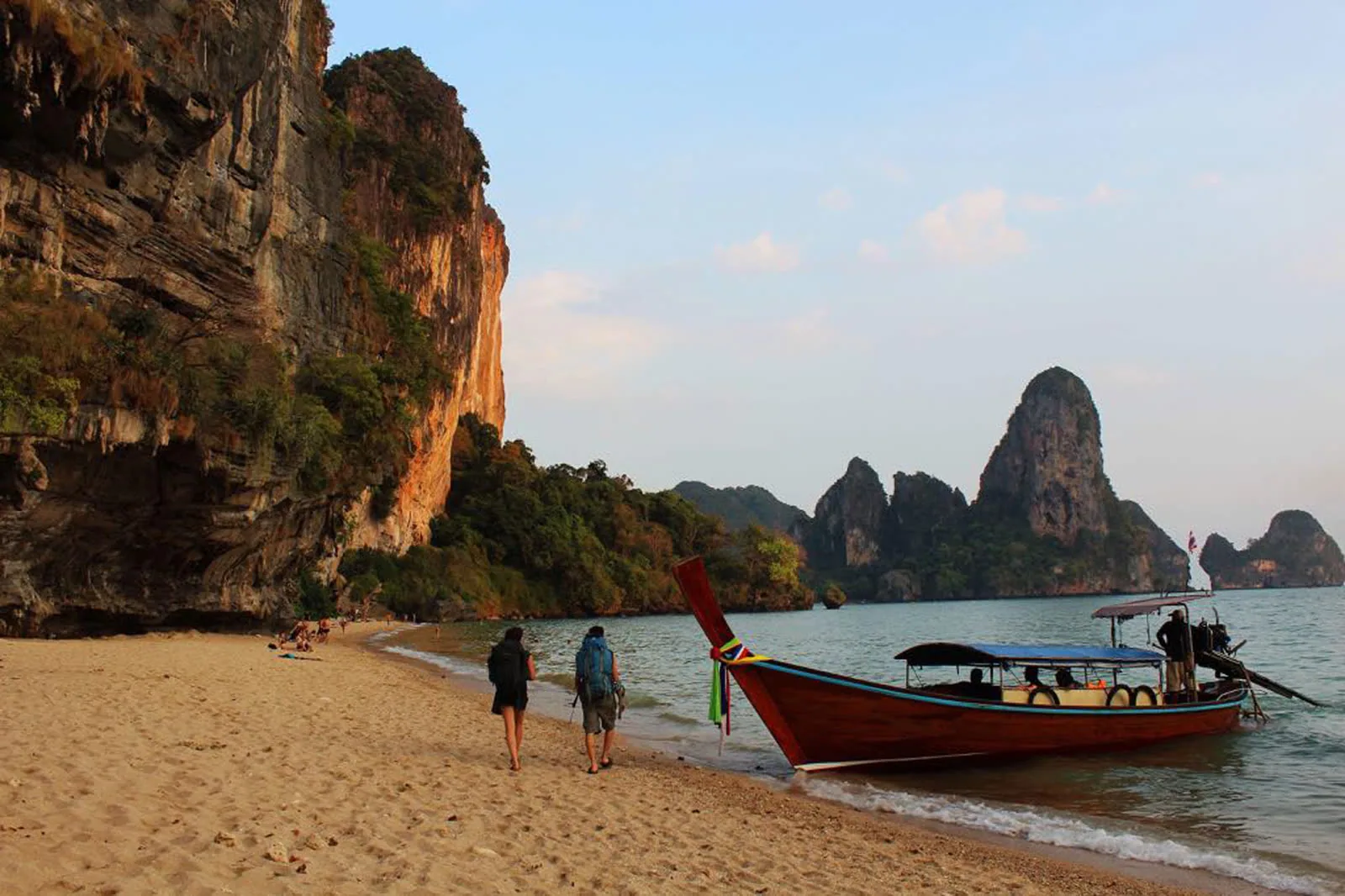
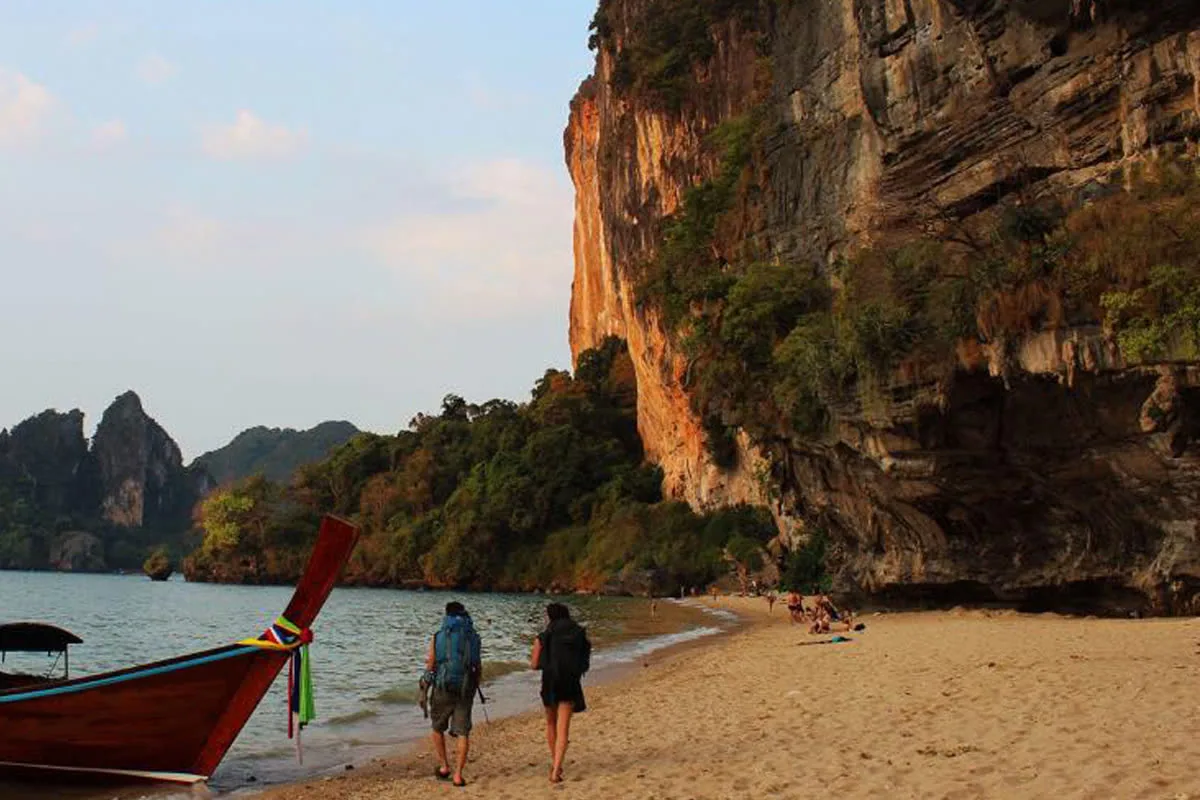
Best Time of Day for Tonsai Beach
Go early if you want quieter sand and easier walking, then return late for softer light and a more social shoreline.
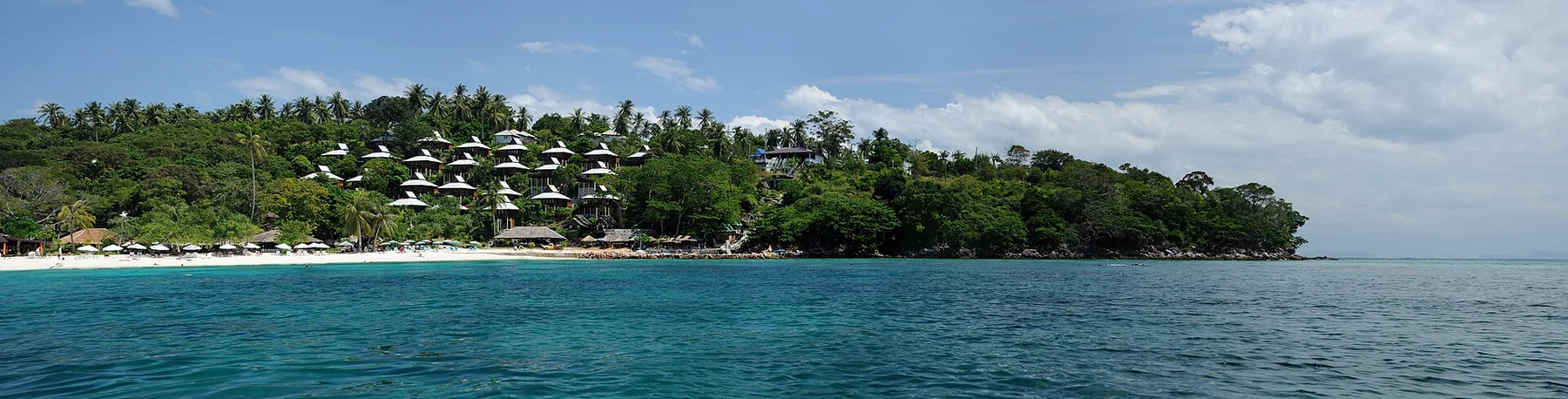
Best Time of Day for Tonsai Beach — Tonsai travel scene
Tonsai changes a lot between early morning, mid-afternoon and the last hour before sunset.
In Tonsai, the easiest version of this choice usually comes from paying attention to shade and heat, boat movement and tide feel, when the beach feels calmest instead of trying to optimize every part of the day at once.
A quick look at the setting helps.
Before you lock in the plan, it helps to see how the area actually looks and moves in real time.
- Pay attention to shade and heat while you watch.
- Pay attention to boat movement and tide feel while you watch.
- Pay attention to when the beach feels calmest while you watch.
Found a helpful clip from Szarwark if you want to watch it on YouTube.
Why this matters in Tonsai
Tonsai changes a lot between early morning, mid-afternoon and the last hour before sunset.
People often treat best time of day for tonsai beach like a tiny detail, but in Tonsai it can change whether the day feels smooth or awkward once the heat, boats and walking are factored in.
- Use it to protect your best hours rather than to fill the whole day with activity.
- Keep your plan light enough that weather and transfer timing can move around without breaking it.
- Expect the destination to feel different in the first hour, the hottest stretch and the last hour before sunset.
What to do first
Start by deciding what outcome matters most: a calmer beach window, an easier meal break, less gear hassle or a smoother arrival and departure flow.
Once you know that, the practical choice usually becomes obvious and you can stop overbuilding the day.
- Check weather and tide only as background context, not as an excuse to keep delaying decisions.
- Match the plan to your actual energy level, especially if you are arriving by boat with bags.
- Leave a small buffer for a slow lunch, a wait for a boat or a beach that looks better later than it does right now.
Common mistakes that make it harder
The usual mistake is trying to force too many transitions into one block of time. That often means more walking in the heat, more bag handling and less actual time enjoying the place.
A second mistake is assuming the first visible option is the best one, even when waiting a little or walking a little farther would improve the experience.
- Do not spend the coolest part of the day stuck deciding where to go next.
- Do not build a schedule that only works if every boat, meal and weather window lines up perfectly.
- Do not pay extra for comfort you will barely use if the room is only a short overnight base.
A practical final call
Go early if you want quieter sand and easier walking, then return late for softer light and a more social shoreline.
If you still feel split, choose the version that gives you less friction on the ground. That is usually the choice people are happiest with by the second hour of the day.
- Keep the first decision simple.
- Protect the strongest hour of the day.
- Leave one part of the schedule flexible so the destination can work in your favor.