
How to Plan a Railay Stay Around Beaches, Boats, Climbing, and Weather
Railay has no road access, and each of its four beach zones serves a different purpose. A good stay links the right arrival pier with the right swimming beach, activity block, room budget, and weather window.
How to Plan a Railay Stay Around Beaches, Boats, Climbing, and Weather
- Navigate Railay's water-bound arrival system
- Treat the eastern shoreline as your logistical base
- Reserve the western coast for swimming and evening light
- Explore Phra Nang's dramatic scenery and Tonsai's climbing culture
- Structure adventure activities across separate time windows
- Balance accommodation costs against seasonal reliability
[object Object]
Why KRABI Is Better In THAILAND 🇹🇭 | Ao Nang, Railay Beach & Cheap Nightlife #livelovethailand
KRABI Feels Better Than Phuket? | Ao Nang, Railay Beach & Nightlife ...
- Channel: Live Love Thailand
Found a helpful clip from Live Love Thailand if you want to watch it on YouTube.
How to Plan a Railay Stay Around Beaches, Boats, Climbing, and Weather
Navigate Railay's water-bound arrival system
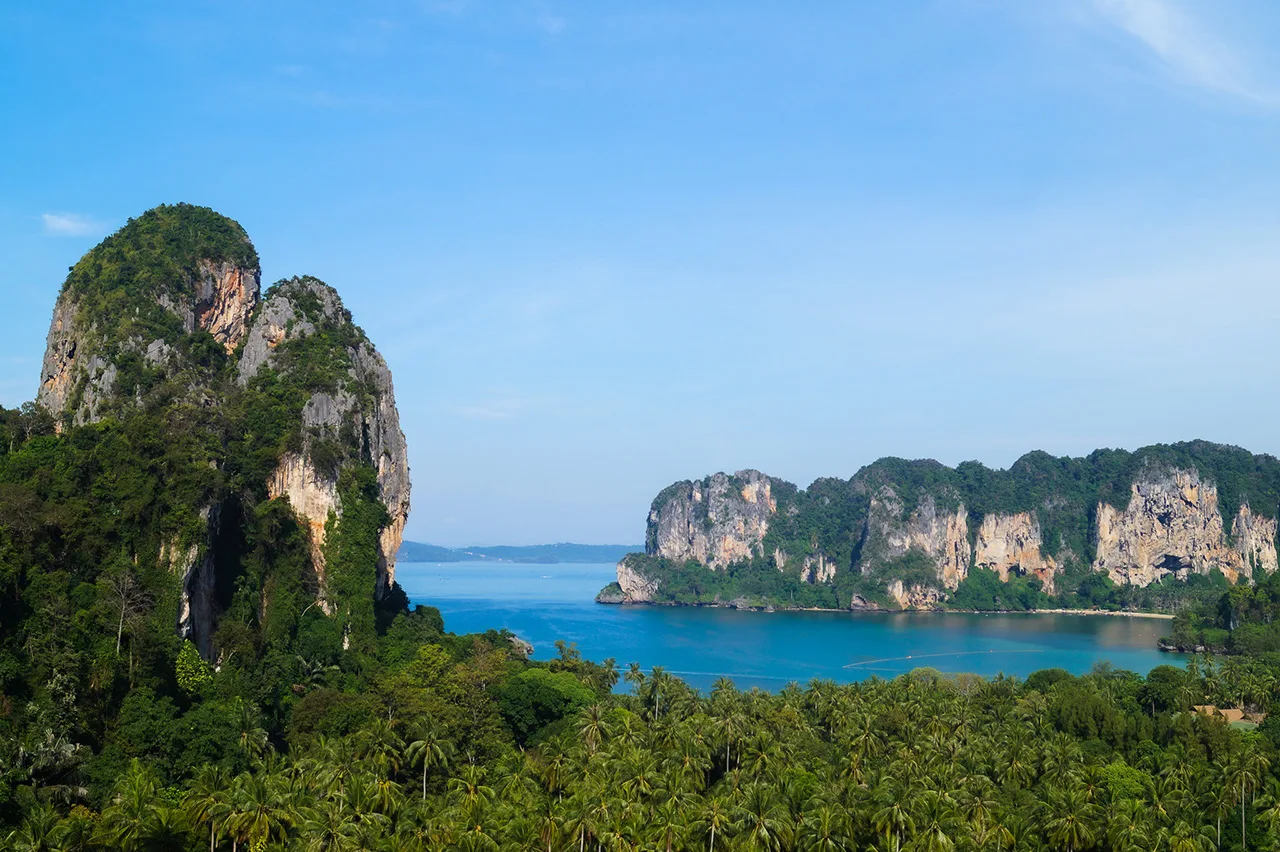
Despite sitting just off the Krabi coastline, Railay has no bridge, no causeway, and no road connection to the mainland. Every piece of luggage, every hotel transfer, and every departure begins with a vessel ride rather than a ground taxi.
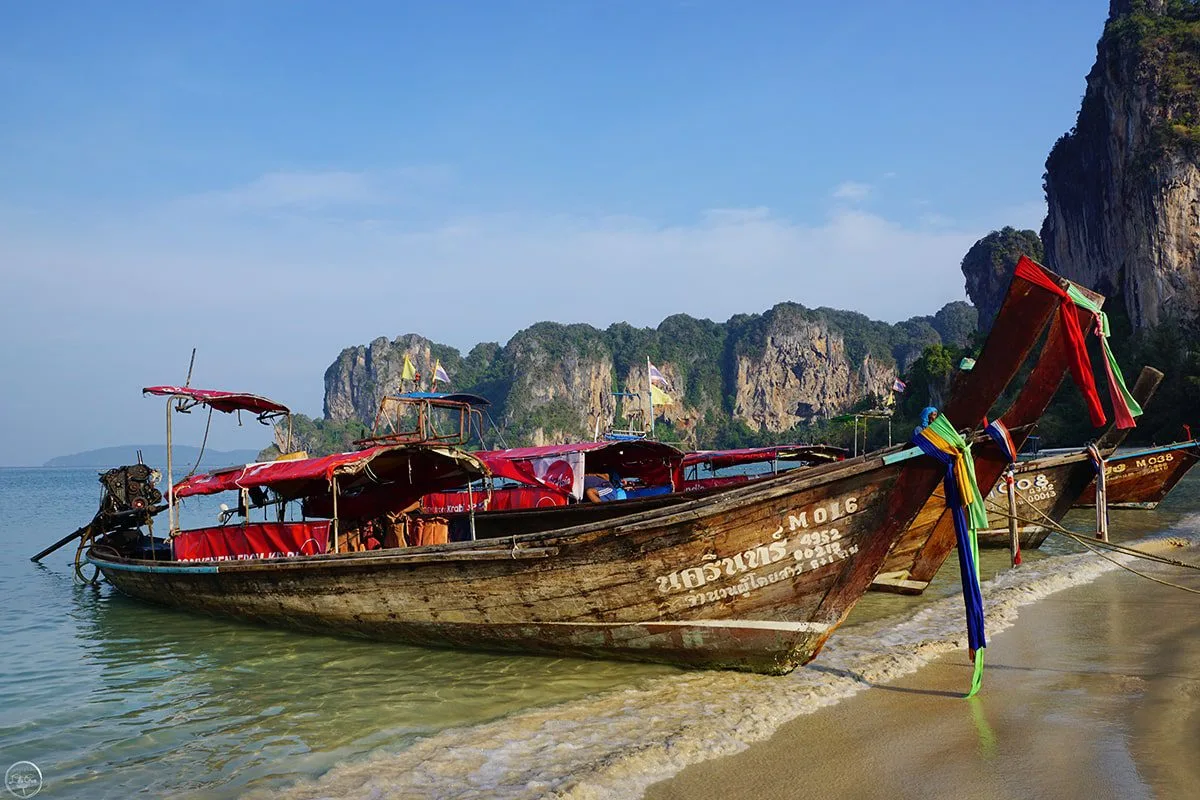
West-facing boats depart from Ao Nang harbor, gliding past sea caves and dramatic rock faces before dropping passengers at Railay West's shore. East-bound services launch from Ao Nam Mao pier, delivering travelers closer to the peninsula's restaurant cluster and central services.
Aligning your initial and final boat rides with your accommodation's location saves unnecessary walking across sand and stone. Even a brief crossing deserves buffer time for queue lines, choppy conditions, and the stroll between dock and doorstep.
Cash remains essential throughout this process since many operators and small vendors do not accept cards.
- Verify whether your lodging sits near the eastern or western landing zone before selecting a departure point.
- Store passports, phones, and wallets inside waterproof pouches before boarding.
- Schedule your return boat well ahead of any flight or overnight bus to allow for cancellations or delays.
- Bring sufficient baht for the crossing fare and immediate expenses upon arrival.
Treat the eastern shoreline as your logistical base
The landing pier feeds directly into Railay East, making this area the natural headquarters for everyday necessities. Restaurants, currency exchanges, massage parlors, and travel shops concentrate along this stretch, so most errands resolve within a few minutes of docking.
Swimming here requires tidal awareness. At low water, the shoreline recedes into flat mudflats unsuitable for swimming or sunbathing. The scene improves noticeably when the tide floods back, but even then the water quality and sand condition lag behind the peninsula's western and southern beaches.
Early visitors can enjoy this side peacefully before tour groups and restaurant crowds fill the walkways. Morning light also provides favorable conditions for photography before shadows shorten across the cliff faces.
Positioning yourself near the east coast makes sense when convenience outweighs immediate beach access, particularly for travelers arriving late or departing early.
- Handle meals, money withdrawals, and gear purchases on the eastern side before heading elsewhere.
- Monitor tide tables if you plan to linger near the water's edge here.
- Walk or paddle toward western and southern beaches when swimming takes priority.
- Select eastern accommodation when proximity to the Ao Nam Mao route and daily services matters more than waterfront views.
How to Plan a Railay Stay Around Beaches, Boats, Climbing, and Weather
Reserve the western coast for swimming and evening light
Railay West delivers the peninsula's most reliable swimming experience. Wide expanses of sand, gentle sloping entries, and consistently clearer water make it simple to spend hours without arranging additional transport.
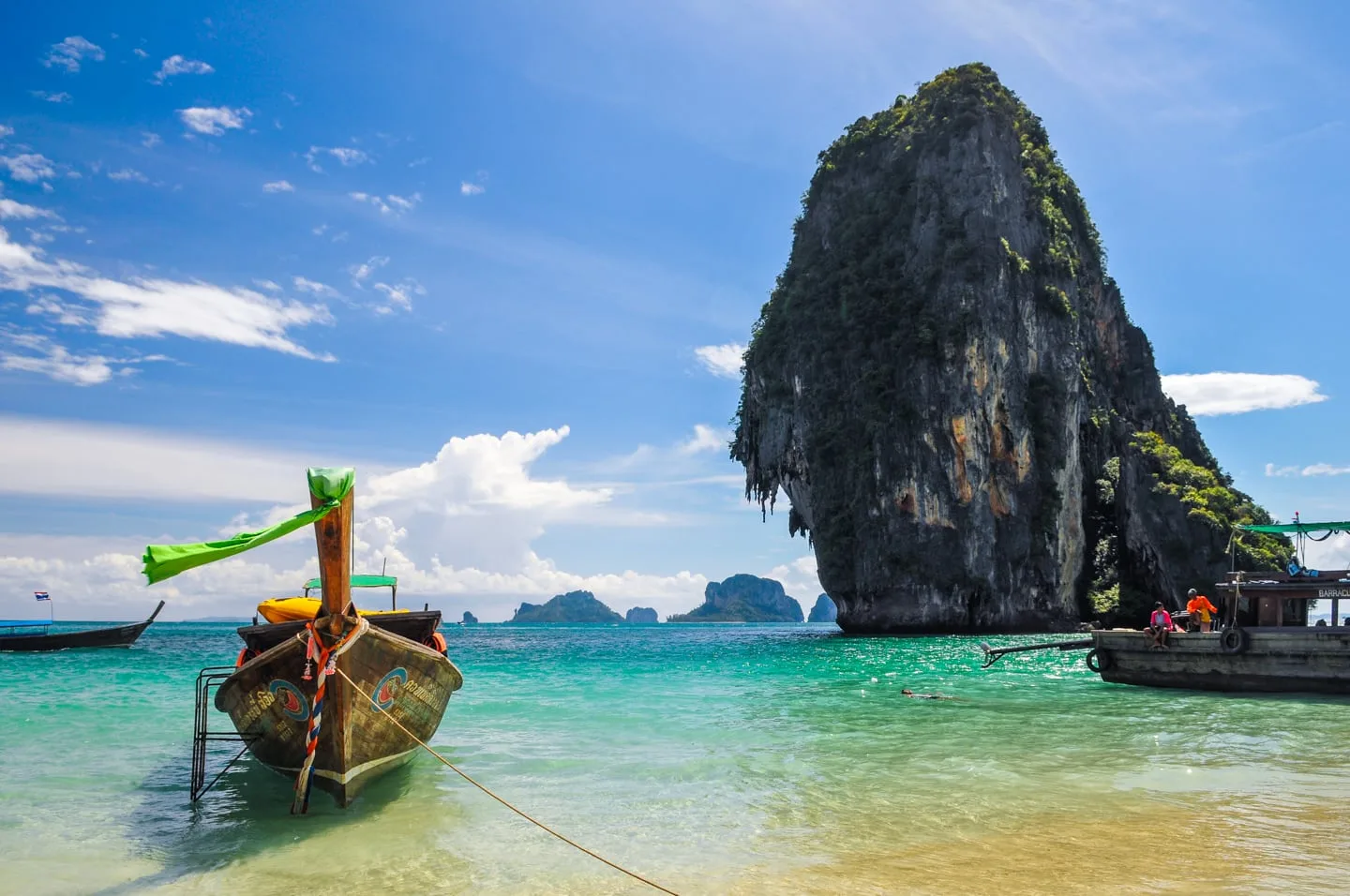
Heading south along this beach reveals the classic Railay postcard composition: sheer limestone cliffs, anchored longtails, and open ocean stretching toward the horizon. Photographers favor this angle throughout the day.
Golden hour transforms the southern section further. As the sun drops behind the karst formations, the western shore becomes the ideal position for watching daylight fade across the Andaman Sea.
Premium positioning commands premium rates. Properties directly fronting this beach carry higher price tags compared to simpler options located near the eastern cluster or the northern climbing zone.
- Dedicate a full afternoon to the western beach instead of using it merely as a corridor.
- Explore the southern terminus for unrestricted cliff-and-boat photography opportunities.
- Plan your return timing around late-afternoon light if sunset viewing matters to your itinerary.
- Evaluate whether beachfront convenience justifies the price difference versus nearby alternatives.
Explore Phra Nang's dramatic scenery and Tonsai's climbing culture
Phra Nang Cave Beach represents the peninsula's most visually striking shoreline. Pale sand meets turquoise water while towering cliff faces enclose the bay, and a Hindu shrine tucked inside the cave adds cultural interest to the natural drama.
Reaching Phra Nang from the eastern side involves walking along a coastal trail that cuts through limestone terrain. The journey takes roughly twenty minutes under favorable conditions, though heat and humidity can intensify the trek during midday hours.
Tonsai Beach occupies the northern extremity and attracts a different crowd entirely. Swell conditions and rocky substrates make swimming unreliable here, but affordable bungalows and immediate cliff access create a laid-back atmosphere centered around the climbing community.
These destinations reward different motivations. Phra Nang suits visitors prioritizing scenery and photography, while Tonsai appeals to climbers, budget travelers, and those seeking quieter evenings away from resort amenities.
- Start the walk to Phra Nang early to avoid peak heat and crowded trail conditions.
- Budget sufficient time for swimming and cave exploration rather than rushing through for photographs alone.
- Choose Tonsai lodging when climbing access and budget accommodation outweigh luxury expectations.
- Check trail conditions and tide status before attempting the coastal path connecting Tonsai to central Railay.
Structure adventure activities across separate time windows
Railay's limestone walls support hundreds of established climbing routes spanning multiple difficulty levels. Local instruction providers offer half-day programs designed for newcomers, supplying harnesses, shoes, and guided protection without requiring participants to carry extensive gear.
Paddleboarding and kayak excursions work best as concentrated two-to-three-hour outings rather than loose all-day commitments. Rental shops dot the eastern and western shores, but wind patterns, passenger boat traffic, and heat exposure should guide how far you venture beyond sheltered waters.
Snorkeling opportunities near Railay West provide the lowest-commitment marine experience, though underwater visibility fluctuates considerably depending on recent weather and current conditions. Checking local reports before renting masks and fins helps avoid disappointment.
Sunset boat cruises deserve their own scheduled slot. Attempting to combine a late climb, a paddle session, and an evening departure creates rushed transitions and missed experiences. Block each activity separately for a relaxed pace.
- Enroll in an introductory climbing course spanning half a day to learn fundamentals safely.
- Ask rental operators about current wind forecasts and safe paddling boundaries before launching.
- Confirm recent visibility conditions locally before committing to snorkel equipment fees.
- Protect your sunset boat window from scheduling conflicts with other afternoon activities.
Balance accommodation costs against seasonal reliability
Lodging across Railay spans every tier from basic northern bungalows to luxury western properties. Your budget choice directly determines which beach you wake next to and how much time you spend transiting between your room and daily activities.
The dry season stretching through November into March typically delivers calmer seas, clearer visibility, and minimal rainfall. This reliability attracts larger visitor numbers, making advance reservations essential for securing preferred rooms and convenient boat schedules.
Shoulder months and the wetter period from May onward often feature reduced rates, but those savings require adjusted expectations. Rain squalls can pause boat services for hours, rough waters may limit island-hopping tours, and humidity rises significantly.
Flexible booking terms become valuable insurance during unpredictable months. Maintaining an extra night in your itinerary before catching a flight or bus provides breathing room when weather disrupts planned transfers.
- Weigh room location against which beaches and activities feature most heavily in your daily plans.
- Secure reservations well ahead for peak-season travel between November and April.
- Prioritize flexible cancellation policies when visiting during transitional or monsoon months.
- Reserve a spare night before your departure transport during seasons prone to boat cancellations.