
The 11 Best Beaches in Koh Lanta — ALONG DUSTY ROADS: What to Know Before You Plan the Day
A field-style guide to The 11 Best Beaches in Koh Lanta — ALONG DUSTY ROADS: What to Know Before You Plan the Day for travelers based around Railay, Tonsai, Ao Nang, and nearby Krabi boat routes.

The 11 Best Beaches in Koh Lanta — ALONG DUSTY ROADS: What to Know Before You Plan the Day
- Decide if a Koh Lanta beach day fits your Railay or Tonsai base
- Plan your road or water link before committing to the day
- Time your visit around heat, tides, and local rhythms
- Budget for the small expenses that shape your day
- Pack smart, verify locally, and adjust expectations
- Have a fallback ready if the day starts feeling rushed
[object Object]
Koh Lanta Travel Guide 2026: Where To Go & The Best Places
Koh Lanta has a slower pace than many of Thailand's more famous islands. With long beaches like Klong Dao and Klong Nin, ...
- Channel: The World From Above
Found a helpful clip from The World From Above if you want to watch it on YouTube.

The 11 Best Beaches in Koh Lanta — ALONG DUSTY ROADS: What to Know Before You Plan the Day
Decide if a Koh Lanta beach day fits your Railay or Tonsai base
Start by anchoring your plan to where you’re actually sleeping. Since accommodations cluster near the main highway and western shorelines, choosing a beach that matches your transport setup prevents last-minute scrambling. Remember that the island’s southern stretches remain largely undeveloped and serene, while the northern and central coasts offer readily available amenities and easier road access. Lock in your start point, confirm your return window, and leave buffer time for unexpected delays.
- Map your departure point, preferred return spot, and the latest realistic departure time for ferries or long-tails.
- Verify you have enough cash, a dry bag for your phone, reef-safe sunscreen, and a fully charged phone before heading out.
- Prepare a simplified alternative itinerary in case tide charts shift or rental scooters run low on fuel.
- Drop complex multi-stop routes if they rely on perfect weather, calm seas, or tight transfer connections.
Plan your road or water link before committing to the day
Getting around Koh Lanta requires a mix of two-wheelers and local transport. Renting a scooter is the most efficient way to navigate the island’s network of paved highways and dusty coastal tracks, though booking a tuk-tuk is perfectly viable for longer hauls. If you’re heading south, expect a rewarding but demanding drive: narrow lanes, blind corners, uneven surfaces, and frequent monkey crossings require steady focus. Pace yourself, keep your wits about you, and treat the journey as part of the experience rather than just a transit hurdle.
The 11 Best Beaches in Koh Lanta — ALONG DUSTY ROADS: What to Know Before You Plan the Day
Time your visit around heat, tides, and local rhythms
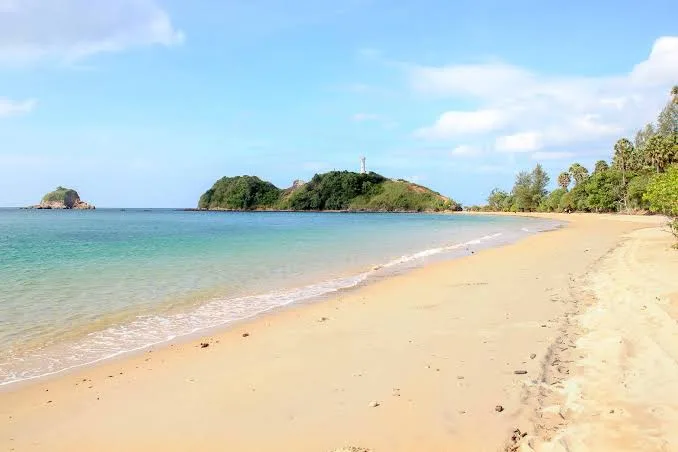
Several of the island’s stretches run over two kilometers, which helps disperse crowds but can make access points tricky to identify. Some dirt paths lead directly to public seating and parking, while others terminate at private resort gates or quiet coves. We’ve flagged verified access coordinates where possible, so double-check your navigation app before turning off the main road. Since every west-facing shoreline catches the evening light, aim for mid-morning arrival to beat the peak heat and secure your preferred stretch of sand.
Budget for the small expenses that shape your day
The sprawling nature of Koh Lanta’s coastline means your comfort often depends on how far you’re willing to walk from the parking strip to the water’s edge. A few favorite spots require a short trek down gravel paths or past seasonal vendor stalls, which is completely normal and adds to the rustic charm. While these areas don’t charge entry fees, factor in daily costs for cold drinks, simple meals, scooter fuel, and occasional tuk-tuk rides back to your base. Keeping a modest daily buffer ensures you won’t have to compromise on rest or refreshment.
Pack smart, verify locally, and adjust expectations
Unlike more remote island destinations, none of these shores require a boat hop, meaning you can travel light and avoid marina queues or luggage fees. All west-facing bays deliver reliable sunset views, but conditions shift seasonally. Pack a compact dry bag, quick-dry towel, reef-safe sunscreen, sturdy sandals for rocky patches, and a portable power bank for navigation. Before departing, ask your accommodation host for recent updates on track conditions or temporary beach access restrictions—they often know which routes are closed after heavy rain.
Have a fallback ready if the day starts feeling rushed
Your comfort net is wider than you might expect. Since most guesthouses and resorts line the western corridor, every featured beach sits within easy reach of basic services, casual eateries, and shaded rest areas. Even the more secluded southern coves have vendors or nearby highway stops offering cold beverages and simple meals. If traffic builds, the sun intensifies, or your transport falls through, simply redirect to a nearby shoreline with better parking or quicker amenities. A flexible mindset turns a potentially stressful day into a relaxed coastal escape.