
Talay Waek Krabi — Can You Really Walk Across the Sea?
A field-style guide to Talay Waek Krabi — Can You Really Walk Across the Sea? for travelers based around Railay, Tonsai, Ao Nang, and nearby Krabi boat routes.
Talay Waek Krabi — Can You Really Walk Across the Sea?
It sits off Ao Nang in Krabi province.
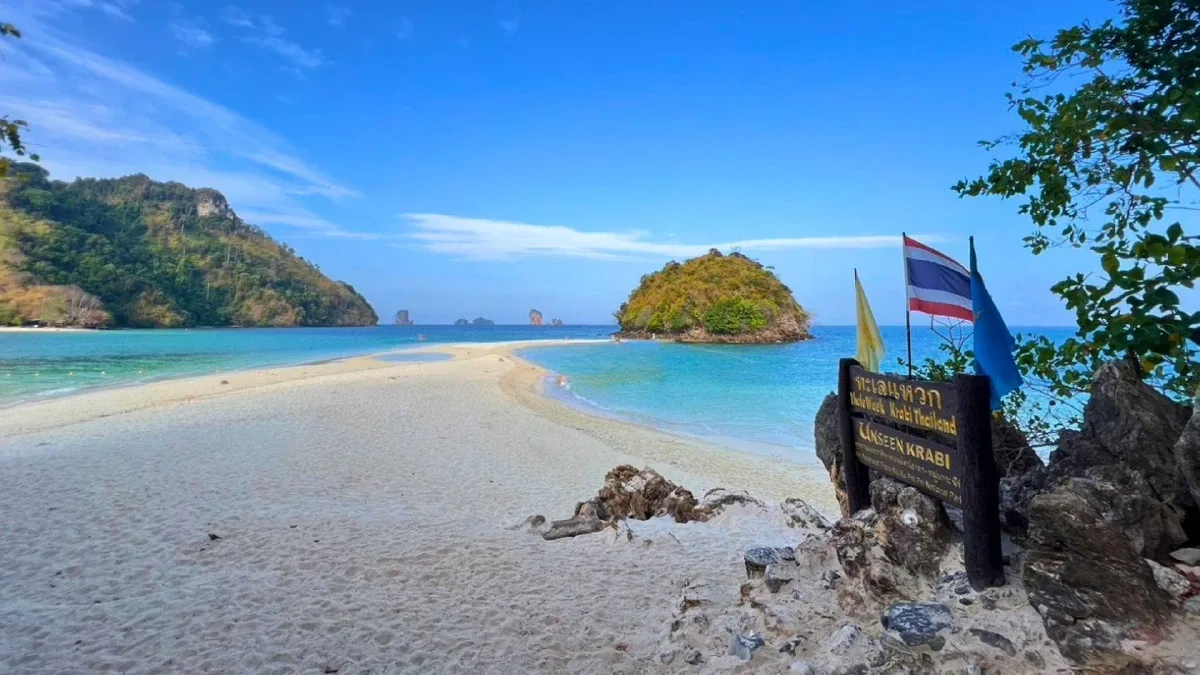
Walk between Chicken island and Tub Islands at low tide in Krabi, Thailand.
Discover one of Krabi's most unique natural experiences — the stunning sandbar that appears at low tide between Chicken Island ...
- Channel: On My Mind - Frankie
Found a helpful clip from On My Mind - Frankie if you want to watch it on YouTube.
Talay Waek Krabi — Can You Really Walk Across the Sea?
Why the sandbar appears and disappears
The name Talay Waek translates to 'the separated sea,' reflecting how the ocean seems to part to reveal a sandy path between islands. This phenomenon occurs exclusively when tidal forces pull water far enough back, exposing the shallow seabed. It is not a permanent landform but a recurring feature shaped by natural cycles.
Tide levels are influenced by the gravitational pull of both the moon and sun. During periods when these celestial bodies align—such as at full or new moons—the difference between high and low tides increases. This often results in a more pronounced exposure of the sandbar, though daily low-tide times shift regularly and must be monitored.
Conditions can change rapidly during a single visit. What begins as ankle-deep water may transform into a wide sandy ridge, then vanish within minutes as the tide turns. Travelers should follow crew guidance on departure timing rather than assuming the crossing will remain accessible throughout their stay.
- Check both the exact time and height of the predicted low tide.
- Arrive early to observe the sandbar emerge instead of arriving after peak exposure.
- Stay close to children and pets, as currents can become strong between islands.
- Keep belongings on higher ground to avoid them being washed away by rising water.
Choose the right season without ignoring the daily tide
The period from November through April generally offers the most favorable conditions for visiting Talay Waek. During these months, weather tends to be drier, seas calmer, and visibility clearer—all of which improve the experience of island hopping and sandbar exploration.
While the sandbar can still appear during the wet season, increased wind, larger waves, and unpredictable weather raise the risk of tour delays or cancellations. Even with a favorable tide, rough seas may prevent safe boarding or make the crossing too hazardous to attempt.
Seasonal patterns and daily tides address different aspects of the trip. Weather stability depends on the time of year, while the sandbar’s presence hinges on tidal shifts. For best results, review marine forecasts the night before and confirm details with your operator the morning of travel.
- Prioritize trips during the dry season for more reliable conditions.
- Review the local weather forecast on the day of departure.
- Inquire whether wind might alter the pickup location or route.
- Prepare an alternative activity, such as a beach stroll or cave visit, in case the trip is postponed.
Talay Waek Krabi — Can You Really Walk Across the Sea?
Read the tide table before booking a departure
Low tide does not occur at the same time every day. A tour scheduled for 10:00 AM one afternoon might miss optimal exposure on another due to tidal variation. Always verify whether your operator adjusts the stop based on the day’s specific tide chart.
Use tide data from trusted sources such as official hydrographic services or well-reviewed applications. Remember that readings from coastal stations may differ slightly from offshore locations near the islands. Local boat operators often interpret these differences and can clarify what the numbers mean on-site.
The ideal window to arrive is shortly before low tide, giving you time to witness the sandbar form and explore it while it remains exposed. If the low point falls too close to your planned return—especially if it conflicts with transport schedules—rescheduling may be necessary.
- Save a digital copy of the tide table, since mobile coverage can be spotty.
- Ask your guide exactly when the boat will reach Talay Waek.
- Build extra time into your schedule to account for forecast inaccuracies.
- Avoid trips where the tide window overlaps with hotel check-outs or last-longtail departures.
Plan the boat route from Railay or Tonsai
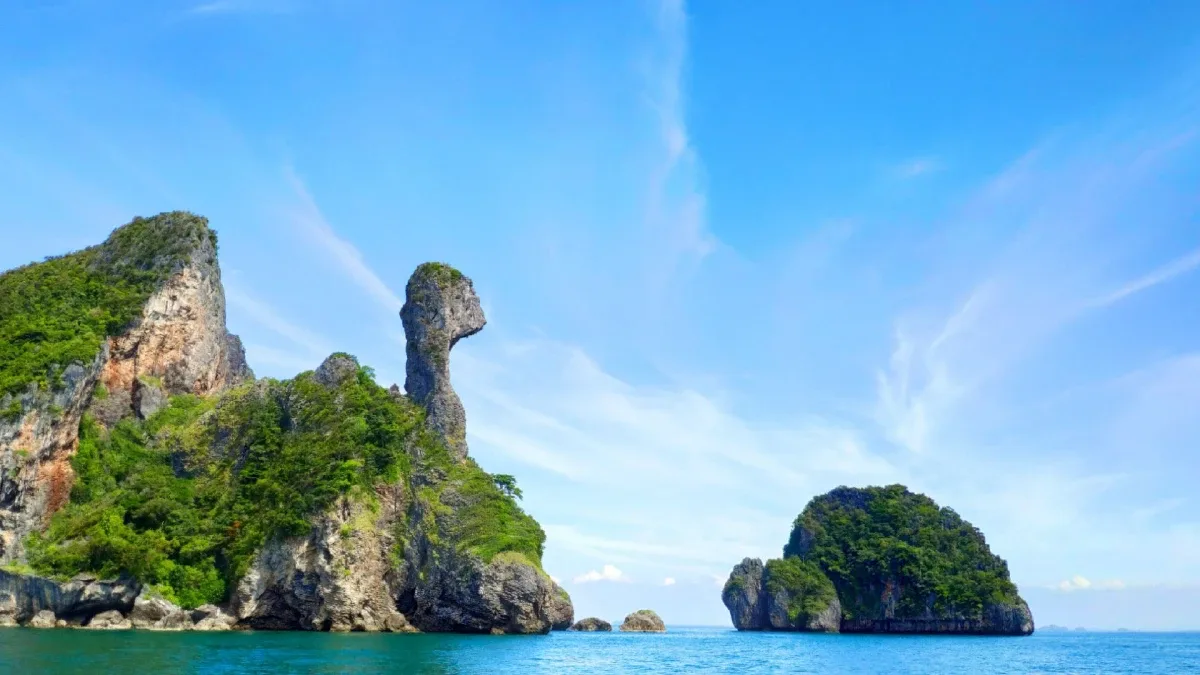
Talay Waek is frequently included in popular Krabi Four Islands tours, which also visit Chicken Island, Koh Poda, and other nearby stops. Most scheduled boats depart from Ao Nang, but private arrangements may allow pickup from Railay depending on tide levels and landing conditions.
Travelers in Tonsai should clarify pickup details ahead of time. Some operators require guests to first reach Railay West by boat or foot, while others expect travelers to go directly to Ao Nang. Unexpected transfers can reduce the value of a half-day excursion and complicate the return journey.
Before finalizing any booking, document key logistical points: where you’ll board, check-in time, park entry fees, provisions like lunch or drinks, and where you’ll be dropped off afterward. Confirm whether the itinerary adapts to tidal conditions or follows a fixed sequence regardless of the sandbar’s status.
- Verify whether pickup happens directly at your accommodation or requires a transfer.
- Confirm if park entrance fees are included in the quoted price.
- Get confirmation of the final drop-off point in writing.
- Carry cash for potential additional transport needs if the return changes.
Pack for wet landings and strong sun
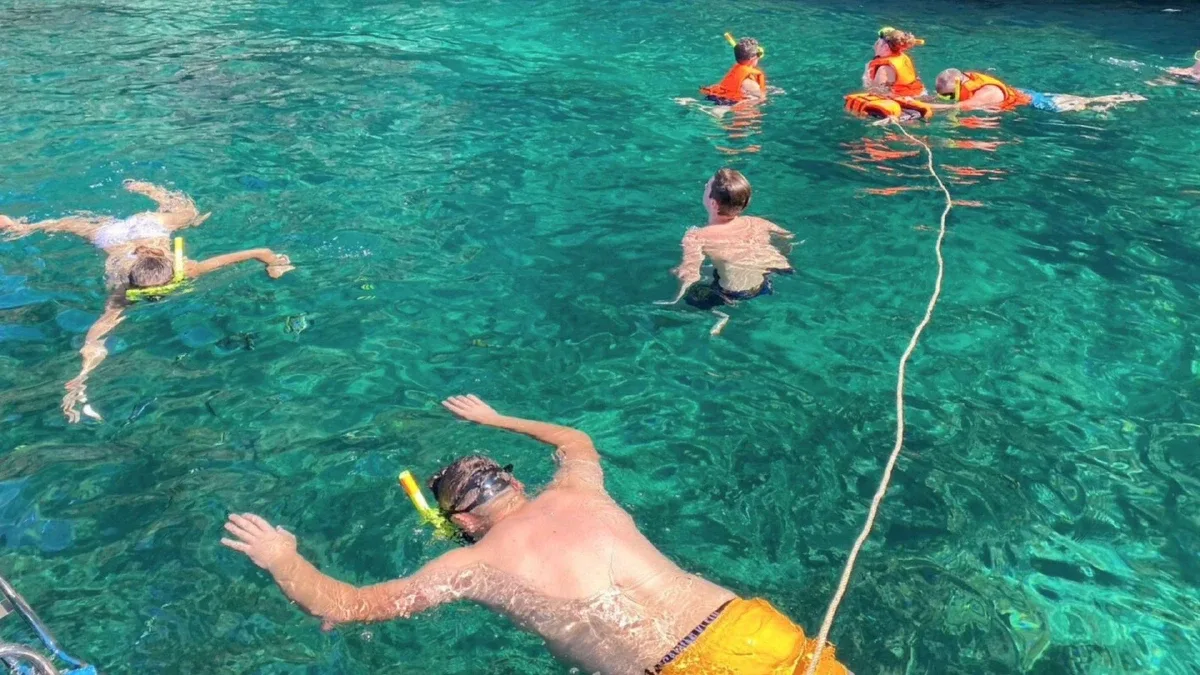
Boat landings often involve stepping into shallow water. Wear sturdy footwear with straps—such as reef shoes or secure sandals—to prevent loss on shifting sand or in moving water. Avoid walking barefoot, as broken coral or shells may pose a hazard.
The sandbar offers almost no shade. Protect yourself with a hat, lightweight long sleeves, and sunscreen of high SPF. Even on cloudy days, UV exposure can be intense over open water. Bring your own drinking water, especially if the tour includes multiple stops that extend the day.
Store valuables like phones, passports, money, and camera batteries in sealed waterproof bags. While full immersion is unlikely, splashes during boarding or movement can quickly damage electronics. Limit what you carry to essentials you can manage easily while transferring between boat and sand.
- Choose footwear that stays securely on during wet transitions.
- Apply sunscreen before boarding and reapply after swimming or sweating.
- Use a properly sealed dry bag—not just a plastic wrap—for electronic protection.
- Bring personal hydration and motion-relief medication if needed.
Protect the sandbar and know when to skip it
Talay Waek is part of a living marine ecosystem. Avoid collecting shells, stepping on coral, feeding fish, or leaving trash behind. Using reef-safe sunscreen and staying on established paths helps minimize environmental impact during crowded visitation windows.
Consider canceling or shortening the trip if weather deteriorates, waves grow too large, vulnerable travelers cannot board safely, or the return timeline becomes uncertain. The sandbar is not worth compromising safety or missing essential connections.
If conditions aren’t suitable, opt for alternatives within Railay itself—walking the beach loop, exploring Diamond Cave during opening hours, taking a sheltered swim, or rescheduling the island tour for a calmer day. Flexibility ensures a more enjoyable and responsible experience.
- Pack out all waste, including food wrappers and used tissues.
- Stay on crew-designated routes and avoid disturbing coral formations.
- Abort the trip immediately if currents strengthen or weather worsens.
- Have a local Railay activity ready as a backup plan.