
Sustainable Tourism in Krabi — How You Can Make a Difference
A field-style guide to Sustainable Tourism in Krabi — How You Can Make a Difference for travelers based around Railay, Tonsai, Ao Nang, and nearby Krabi boat routes.
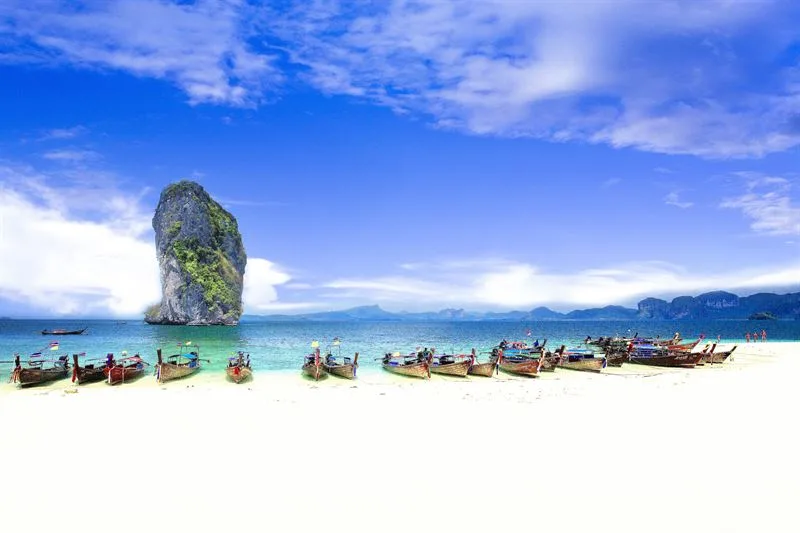
Sustainable Tourism in Krabi — How You Can Make a Difference
- Assessing whether eco-friendly travel fits your Railay or Tonsai itinerary
- Coordinating transit links before confirming your excursion
- Aligning your schedule with seasonal patterns and logistical constraints
- Accounting for hidden expenses that affect trip flexibility
- Selecting essentials, avoiding disposables, and verifying local conditions
- Preparing alternatives when primary plans become impractical
These small choices add up.
These small choices add up.
Exploring Khao Lak And Krabi For Your Dream Thai Vacation
Discover the perfect Thai paradise for your next vacation! In this comprehensive guide, we compare Khao Lak and Krabi, two of ...
- Channel: GlobeTrot Bliss
Found a helpful clip from GlobeTrot Bliss if you want to watch it on YouTube.
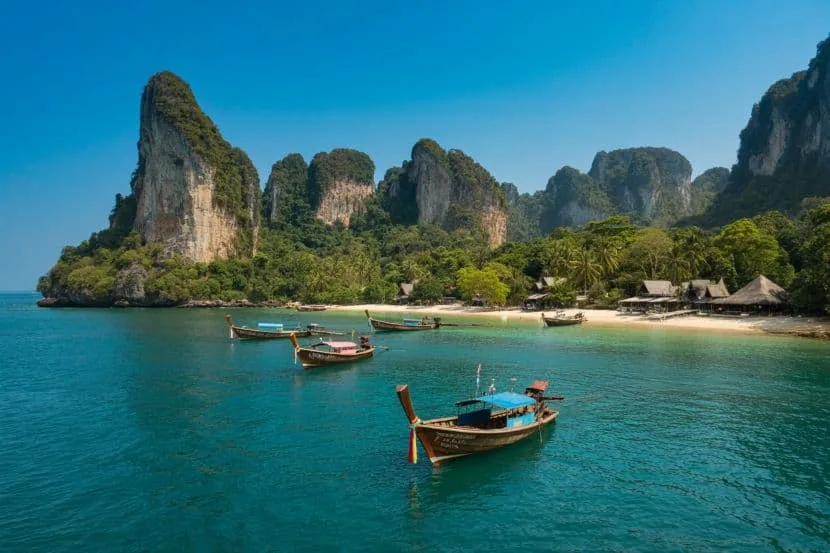
Sustainable Tourism in Krabi — How You Can Make a Difference
Assessing whether eco-friendly travel fits your Railay or Tonsai itinerary
Before diving into activities, consider how responsible tourism aligns with your accommodation location and daily schedule.
The real challenge often lies in coordinating transport connections rather than selecting attractions. Preparing properly at your lodge—bringing reusable containers, avoiding single-use plastics—reduces waste that would otherwise wash into ocean waters.
Evaluate both outbound and return transit options before finalizing plans. Even minor adjustments to what you carry can prevent trash accumulation on remote islands lacking waste management infrastructure.
Start by mapping out departure and arrival points along with the latest possible return window. Verify requirements such as currency, dry-storage bags, water shoes, sun protection, and mobile coverage. Have a condensed alternative ready in case conditions shift. Avoid optional extras that depend on ideal weather or tight schedules.
Coordinating transit links before confirming your excursion
Your choices while on boats and islands carry the most weight. A handful of simple practices—staying clear of coral, carrying waste back, respecting wildlife distances—make a measurable difference.
Following these guidelines ensures that marine habitats and sea creatures remain vibrant for future generations.
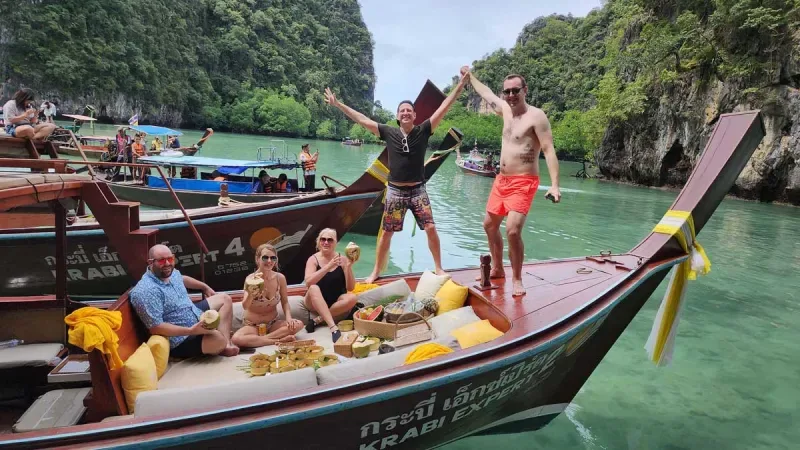
Sustainable Tourism in Krabi — How You Can Make a Difference
Aligning your schedule with seasonal patterns and logistical constraints
Spending money at locally owned restaurants, shops, and guides channels funds directly to communities that have stewardship traditions long predating modern tourism.
Small-group excursions minimize beach erosion and reef damage. Crews equipped with waste collection return every item brought ashore. Guides maintain respectful distances from animals and avoid feeding them, ensuring the seascape remains intact for upcoming generations of residents.
Accounting for hidden expenses that affect trip flexibility
Travelers seeking low-impact adventures with community benefits can reach out to planning teams for customized itineraries balancing personal preferences with ecological responsibility.
Reducing your footprint doesn't require dramatic changes. Selecting accredited operators, traveling in smaller groups, packing multipurpose gear, and applying mineral-based sun protection establishes sustainable habits before stepping onto a vessel.
Selecting essentials, avoiding disposables, and verifying local conditions
During your visit, maintain minimal disturbance: avoid contact with coral formations, refrain from baiting fish, collect all discarded materials, observe animals from afar, and respect tidal patterns near sandbars. End each day by purchasing from neighborhood vendors and declining souvenirs crafted from marine organisms.
Understanding the distinction between environmentally conscious tours and standard offerings helps you make informed booking decisions.
Preparing alternatives when primary plans become impractical
Responsible travel means avoiding actions that burden ecosystems or host communities. This includes partnering with conservation-minded operators, reducing ocean-bound waste, and prioritizing local economies. You still enjoy exceptional experiences while ensuring Krabi's natural beauty endures for those who follow.