
How to Keep a Railay or Tonsai Trip Useful During Krabi's Monsoon Months
The rainy-season version of a good peninsula trip is not about pretending the sea will behave like the dry months. It is about knowing which days still reward boats, which days belong to land plans, and how to keep the stay from collapsing when the outer-island route stops making sense.

How to Keep a Railay or Tonsai Trip Useful During Krabi's Monsoon Months
A Railay or Tonsai trip in monsoon season usually goes wrong for one simple reason: people keep chasing dry-season boat plans after the sea has already changed the rules.
The better approach is to treat May through October like a different style of trip. Protect the calmer morning window, stay flexible about outer-island ambitions, and keep one or two land or sheltered backups ready before the sky decides for you.
RAILAY BEACH- Is it worth visiting during rainy season?
Inthis video we visitRailaybeach as the rain continues to play havoc with ourtripto Thailand. This is the laststop inour southern ...
- Channel: Thenotsomoodybackpacker
Found a helpful clip from Thenotsomoodybackpacker if you want to watch it on YouTube.
How to Keep a Railay or Tonsai Trip Useful During Krabi's Monsoon Months
Treat the wet-season trip like a different product, not a cheaper dry-season copy
The main mistake is assuming the only difference will be more rain. What changes first is often the sea itself: more movement, greener water, weaker visibility, and more friction around outer-island timing.
Once you accept that, the planning gets easier. You stop measuring the stay against the clearest-water months and start asking what this version of Krabi still does well.
- Expect lower water clarity and rougher crossings sooner than you expect nonstop rain.
- Judge the trip by what still works in season, not by a dry-month fantasy schedule.
- Let the sea state shape the day before the screenshot itinerary does.
Protect the morning window and spend your energy early
One of the most practical points from the source is that rainy-season weather often punishes late indecision. Mornings are often the cleaner, calmer part of the day, while later hours are more likely to bring rougher water or short hard rain.
does not mean every morning is perfect. It means the useful strategy is to put your most weather-sensitive plan first instead of drifting into it after lunch.
- Book the most sea-dependent activity for the earliest workable slot.
- Keep afternoons looser so a weather shift does not wreck the whole day.
- Do not waste a calm morning sleeping in if the trip depends on boat time.
How to Keep a Railay or Tonsai Trip Useful During Krabi's Monsoon Months
Use sheltered and land-based fallbacks before you force an outer-island day
A rainy-season peninsula stay stays enjoyable when you already know your backup categories: sheltered shoreline time, easier local movement, or a mainland land stop that does not care about wave height. The point is to swap plans cleanly, not mourn the lost one until sunset.
mindset matters because outer-island speedboat ambitions are usually the first plans that lose value on rough days. A fallback is not a consolation prize if it fits the weather better than the original booking did.
- Keep one peninsula day and one mainland day in your back pocket before the forecast turns.
- Favor options with less open-sea exposure when the wind is already telling you what kind of day it is.
- Use cancellations as a redirect signal, not as a reason to book an equally exposed backup immediately.
Save the bigger open-sea ambitions for the day that actually deserves them
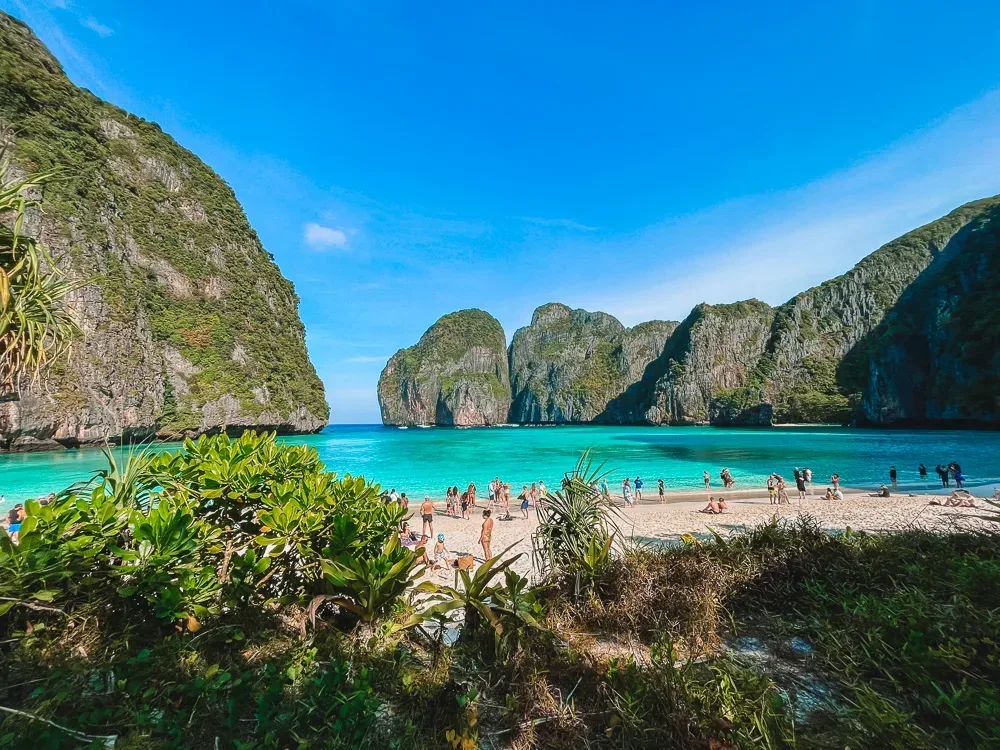
Monsoon trips go smoother when you stop treating Maya Bay-, Phi Phi-, or far-outer routes as must-force commitments. Those days cost more energy when the crossing is rough and the water payoff is weaker.
If a calmer day appears, that is when the bigger route becomes worth your time. Until then, the smarter move is to keep the stay useful with lower-friction choices close to the peninsula.
- Do not spend the roughest forecast day chasing the longest crossing.
- Wait for the day that offers calmer water before using your most transfer-heavy outing.
- Let the outer-island plan earn its place instead of assuming it belongs on the schedule.