
How To Get To Koh Lipe Before Planning a Full Day in Krabi
A field-style guide to How To Get To Koh Lipe Before Planning a Full Day in Krabi for travelers based around Railay, Tonsai, Ao Nang, and nearby Krabi boat routes.
How To Get To Koh Lipe Before Planning a Full Day in Krabi
- Decide whether a Koh Lipe day trip actually fits your Railay or Tonsai base
- Map the boat, road, and walking links before committing
- Time your trip around heat, tides, crowds, and return boats
- Budget the small costs that change the day
- Know what to pack, skip, and confirm locally
- Choose a fallback plan if the day starts to feel rushed
[object Object]
Koh Lipe, Thailand: The Ultimate Travel Guide 🌴
Welocme to Koh lIpe Thailand. AirHelp✈️ is a revolutionary new way to get your flight compensation claims heard. With AirHelp ...
- Channel: Travelmoji
Found a helpful clip from Travelmoji if you want to watch it on YouTube.

How To Get To Koh Lipe Before Planning a Full Day in Krabi
Decide whether a Koh Lipe day trip actually fits your Railay or Tonsai base
The biggest hurdle on a one-day visit is rarely the destination itself—it’s the transfer chain. Whether you’re taking a minivan from Krabi Town, a long-tail boat, or connecting through Hat Yai, you need to leave early enough to comfortably catch the final speedboat of the day, which typically departs Pak Bara Pier around 3:30 PM. If flying into Hat Yai, book a pre-arranged transfer to the pier or choose a package that bundles your van and boat tickets to avoid missing connections.
Before locking in your dates, map out the first pickup against the last realistic departure. Travel time from Pak Bara to Koh Lipe is roughly 90 minutes, and high-season boats usually run at 9:30 AM, 11:30 AM, and 1:30 PM. Occasionally, services run at 12:30 PM or 3:30 PM, but never rely on the latest slot unless you’ve already booked that specific ticket and confirmed your onward travel can beat afternoon traffic.
- Write down your exact departure point, return route, and the latest safe departure time for the boat back.
- Confirm whether you’ll need Thai baht in cash, space for a dry bag, reef shoes, sun protection, or reliable mobile signal before heading out.
- Keep a condensed version of the itinerary ready in case weather, tide levels, or boat schedules shift unexpectedly.
- Skip extra excursions that depend on perfect conditions or rushed transfers between islands.
Map the boat, road, and walking links before committing
While operators often use the word “ferry” interchangeably, you’ll almost always be on a medium-sized passenger speedboat rather than a large vessel. These boats are decent-sized but often operate near capacity, meaning seats can be tight during peak months. Life jackets are mandatory and provided by the crew—wear them as instructed for safety.
As Koh Lipe lies within Tarutao National Marine Park, all visitors must pay a conservation fee. This is 200 THB per adult and 100 THB per child, valid for five days. You’ll pay it at Pak Bara Pier alongside a separate 20 THB pier entrance fee. Keep both receipts handy, as they may be checked upon arrival or departure.
How To Get To Koh Lipe Before Planning a Full Day in Krabi
Time your trip around heat, tides, crowds, and return boats
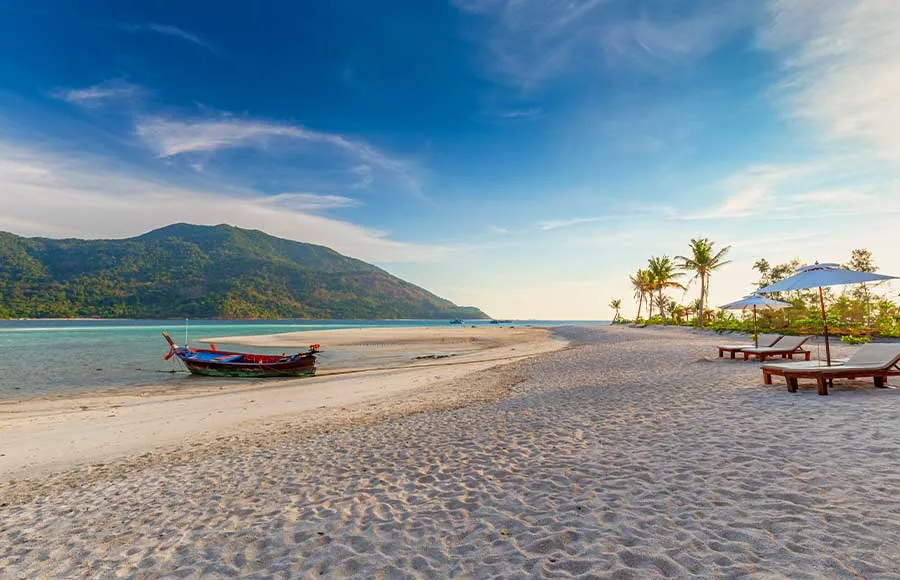
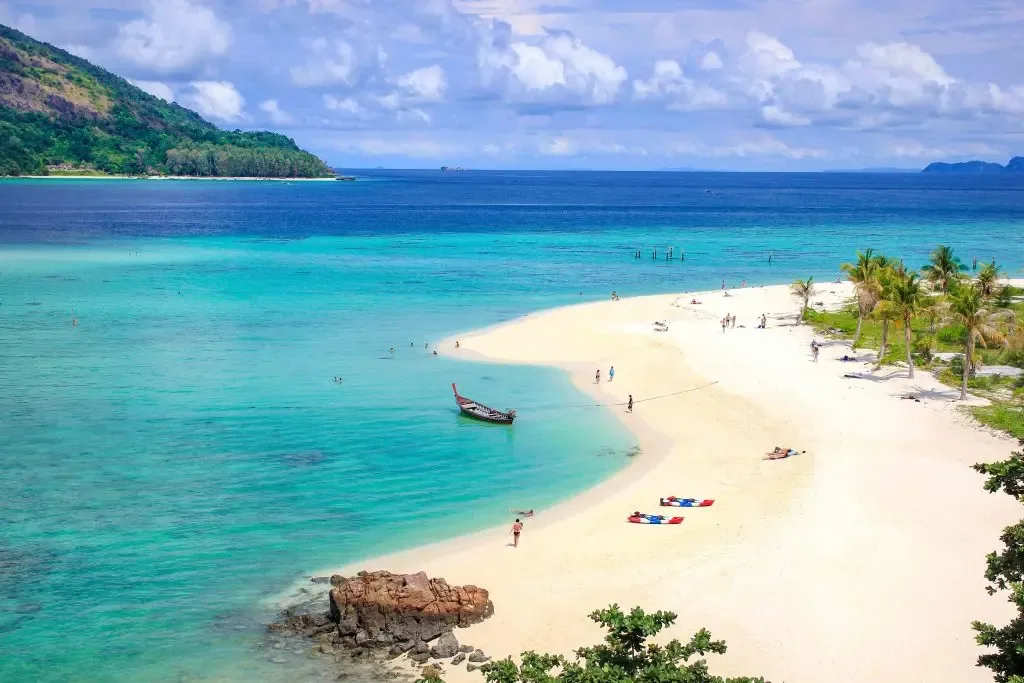
When you check in at Pak Bara, you’ll receive a boarding card with a gate and sequence number. Lower numbers generally secure better seating, so arriving early gives you a tangible advantage. Arriving at Lipe requires a short swim or wade through waist-deep water to reach Pattaya Beach, since there is no permanent pier. Staff will carry larger luggage from the boat to the shore, but light bags are best kept on your person.
Be mindful that afternoon tides can make the landing trickier, and the July–September monsoon season brings rougher seas and frequent schedule changes. Always build in a 30-minute buffer between your hotel checkout and the pier shuttle to account for Krabi traffic or last-minute packing.
Budget the small costs that change the day
Ticket prices vary by operator and season, but budgeting for the round-trip speedboat, national park fee, and pier charges should account for roughly 1,000–1,400 THB per adult depending on your starting point. Some routes involve changing boats on intermediate islands, so verify your itinerary before purchasing. Walk-up tickets are available at the pier, but high-season boats frequently sell out days in advance.
For smoother planning, use reputable aggregator sites like 12Go Asia or Bookaway to compare schedules and bundle your ticket with hotel pickup and minivan transport. Local tour shops in Ao Nang, Railay, and Krabi Town also handle bookings, though rates may be slightly higher. Always confirm whether your fare includes return transport and luggage handling.
Know what to pack, skip, and confirm locally
Travel light and smart. A quick-dry towel, waterproof phone pouch, reef-safe sunscreen, and a light long-sleeve layer for the boat ride are essential. Skip heavy electronics, full-sized toiletries, or bulky footwear—there’s limited storage on the boats and no need to haul them across the sand.
Before leaving, double-check your hotel’s check-out time and confirm whether they can store your bags after you return. Verify the exact meeting point for your onward transport, and ask your accommodation about recommended lunch spots on the island that fit a tight schedule.
Choose a fallback plan if the day starts to feel rushed
If your transfer runs late, the sea state turns choppy, or you simply want to avoid spending your entire day commuting, it’s perfectly fine to pivot. Consider staying closer to home—spend the morning exploring Railay or Ton Sai’s limestone trails, enjoy a relaxed beach lunch in Ao Nang, or take a shorter island-hopping trip to Poda or Chicken Islands. A slower day often leaves you more refreshed than a rushed cross-province commute.
Having a backup option also protects your travel insurance coverage, as many policies exclude adventure sports or unbooked remote transit. Keeping your schedule flexible ensures you enjoy the region without turning a highlight into a logistical headache.