
Tonsai and Railay Bay Before Planning a Full Day in Krabi
A field-style guide to Tonsai and Railay Bay Before Planning a Full Day in Krabi for travelers based around Railay, Tonsai, Ao Nang, and nearby Krabi boat routes.
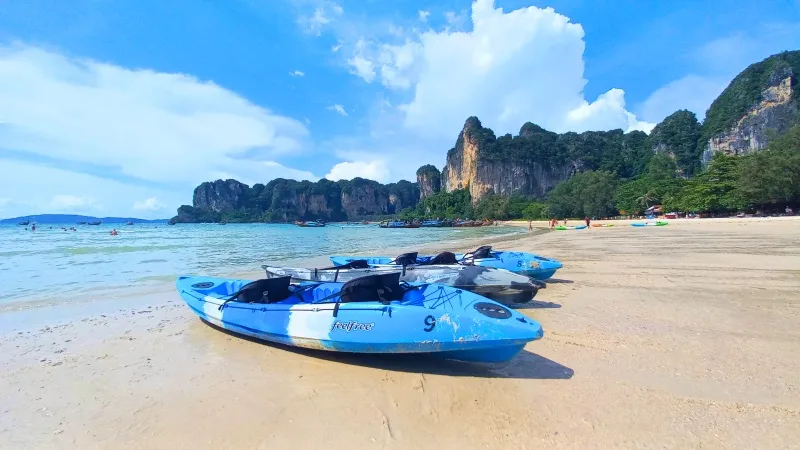
Tonsai and Railay Bay Before Planning a Full Day in Krabi
[object Object]
The ULTIMATE guide to where to stay in KRABI!
Download the ULTIMATE map of Krabi - for FREE! https://thailandtravelplanners.com/krabi-map-form/?video=p2vVvSTKeB8 ...
- Channel: Bangkok Jack
Found a helpful clip from Bangkok Jack if you want to watch it on YouTube.
Tonsai and Railay Bay Before Planning a Full Day in Krabi
What the climbing actually looks like
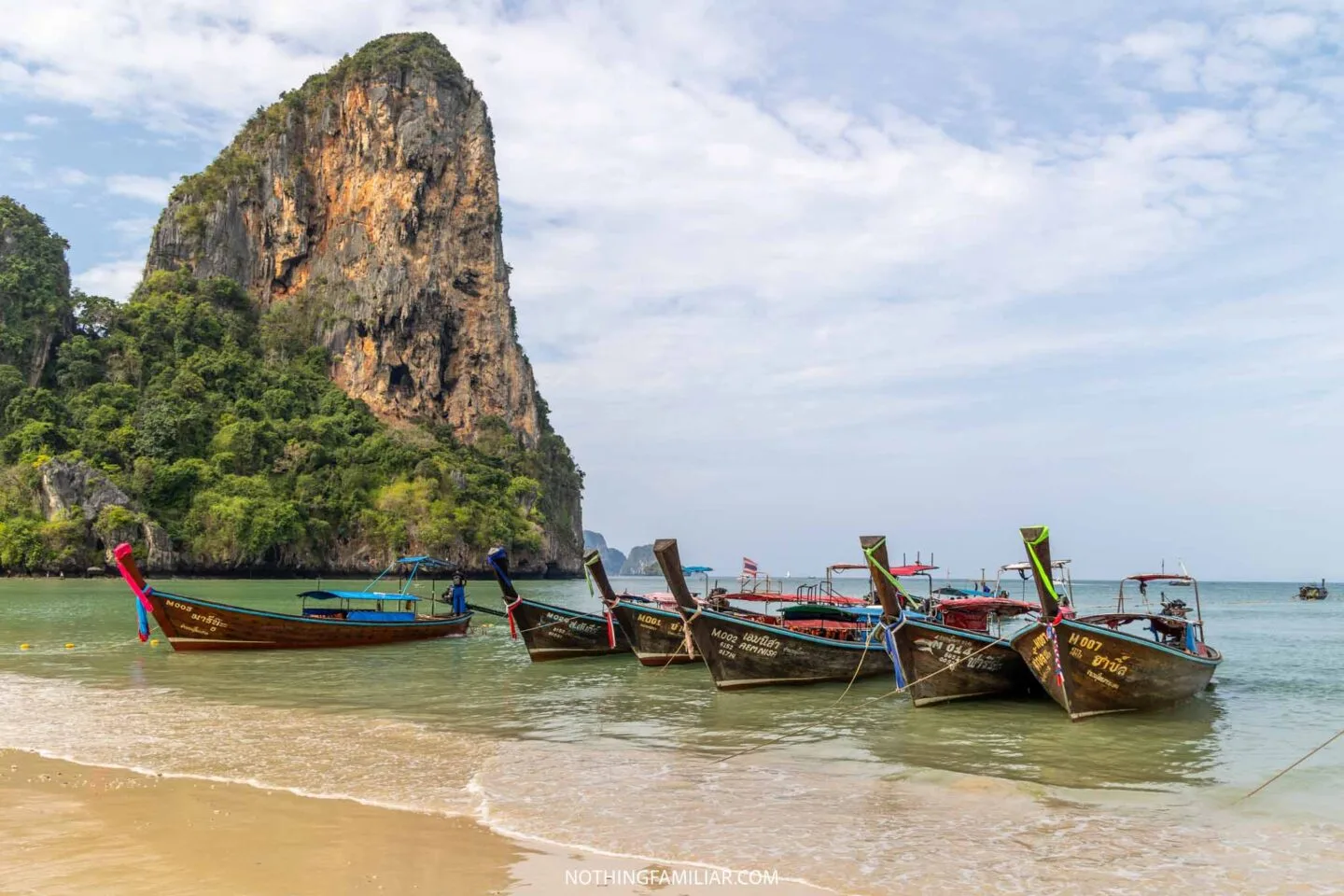
The area is dominated by single-pitch sport routes, but multi-pitch options exist for climbers looking to spend more than one rope length on the wall. Humanality on Tonsai beach is the standout choice and draws steady traffic. A well-known roof perched right on the sand provides not just a solid climb but also one of the best sunset vantage points in the bay.
Grade range spans from 4s and 5s all the way up to 8c and beyond, so beginners and seasoned climbers alike will find suitable lines. You are very likely to bump into someone at your level and secure a partner without much effort. For those interested in deep-water soloing, the rock formations offer intriguing challenges, but hiring a guide is strongly recommended — underwater obstacles shift with the tides and are easy to miss without local knowledge.
Getting to Railay and Tonsai Bay
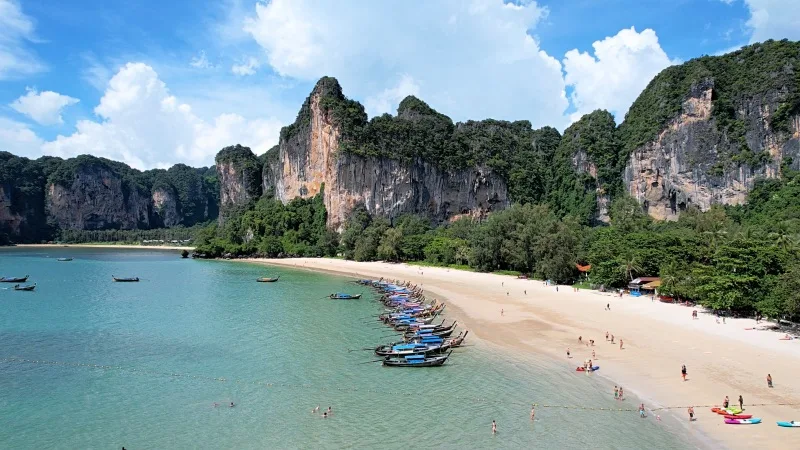
The only way to reach Railay or Tonsai is by longboat from Ao Nang. Head to Ao Nang Beach on the left-hand side when facing the sea, or make your way to Hat Noppharat Thara beach, and speak directly with the boatmen operating there.
Boats depart once they fill with eight passengers. The standard fare is 100 baht per person one-way. If you do not wish to wait for a full boat, you can cover the cost of the remaining empty seats and leave immediately — though waiting is usually brief since other tourists heading to the bays tend to arrive steadily.
- Shuttle bus from the airport to Ao Nang: 150 baht, up to one hour.
- Songtaew (shared pickup truck): the most budget-friendly option at 50–90 baht, but the longest ride at up to two hours since it stops through Krabi town first.
- Taxi or tuk-tuk: roughly 400 baht with a journey time of about 30 minutes.
- Minibus for groups up to eight people: around 1000 baht.
Tonsai and Railay Bay Before Planning a Full Day in Krabi
Where to sleep near the crags
Because the climbing areas are only reachable by boat, staying on Railay or Tonsai itself is the most practical choice. A range of options exists for every budget.
Budget climbers often gravitate toward the basic bamboo huts along the main strip. These typically include a bed, a separate bathroom, a mosquito net, and a fan — functional and nothing more, but well suited to anyone who plans to spend most of their time on the rock.
For a quieter atmosphere away from the party crowd, Paasook guesthouse on the far left of the main strip is a solid pick. If you prefer something more social, the Chill-Out Bar further along the strip draws climbers in the evenings with fire shows and a relaxed vibe.
Budgeting the day
The longboat ride runs 100 baht per person one-way, so plan for 200 baht round trip per person if you are not already staying on the bay. Additional transport costs depend on how you reach Ao Nang from the airport or Krabi town — see the transport options above.
Accommodation ranges from budget bamboo huts to more comfortable guesthouses, so costs vary widely. Climbing instruction or guide hire for deep-water soloing will add to the budget but is worthwhile for safety and local knowledge.
Packing and preparation
Bring reef shoes if you plan any water-adjacent climbing or wading. A dry bag protects phones and wallets during boat transfers and unexpected splashes. Sun protection is non-negotiable — the beachside roof climb offers zero shade. Cash in baht is essential since the area has limited ATM access and many vendors do not accept cards.
Check tide tables before heading out. Tides affect both deep-water soloing safety and which beach access points are usable. Confirm your return boat window before you start climbing so you are not stranded on the wrong side of the bay after dark.
When to scale back the plan
A full day at Tonsai and Railay Bay works best when you have a clear return window and are not sacrificing sleep, a relaxed evening, or the last boat just to squeeze in one more climb. If weather looks unstable, the tide is running against you, or you are lugging heavy gear, a shorter session or a simpler backup plan will leave the day feeling better than a rushed push.
Keep a fallback ready — perhaps a single crag close to your accommodation or a morning-only window — so that changing conditions do not derail the whole trip.