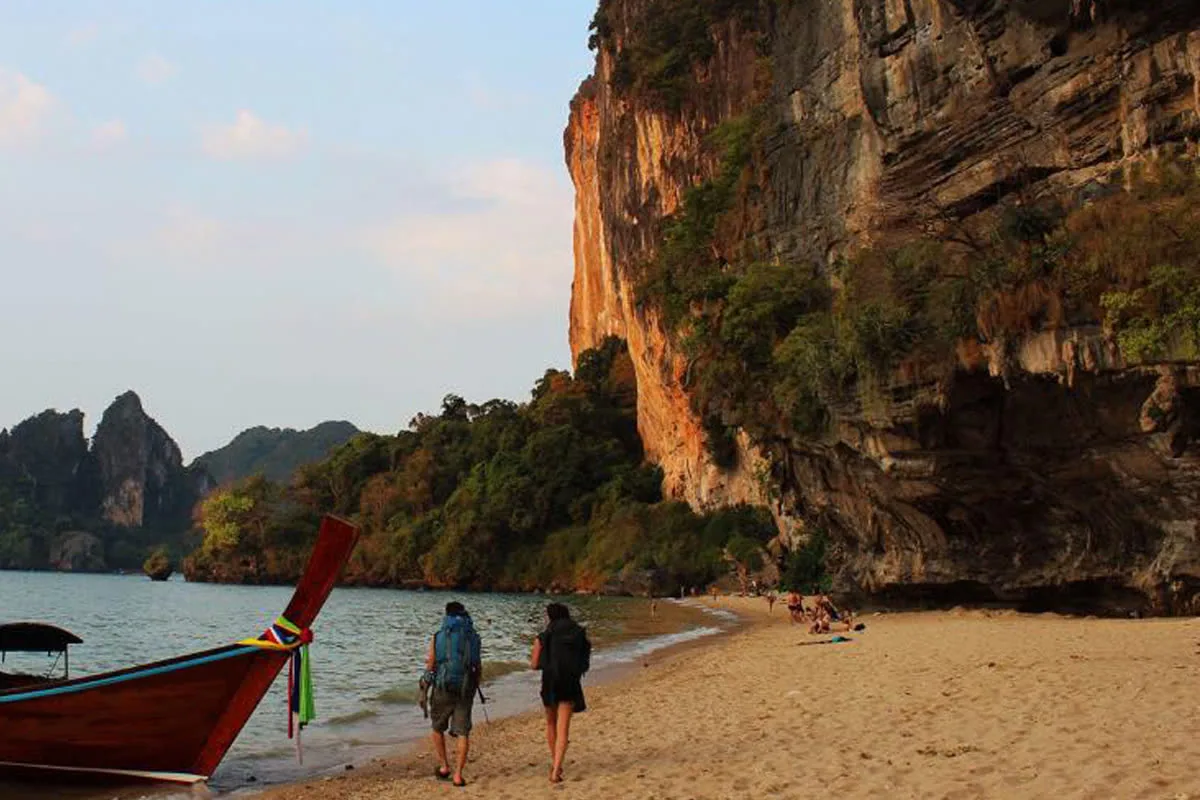
How to Plan a Climbing Stay in Tonsai Without Wasting Good Conditions
Build the trip around climbable hours rather than a rigid route count. Choose a season that suits your tolerance for heat and rain, verify current route and access information locally, and leave enough margin for rest, instruction, and changed conditions.
How to Plan a Climbing Stay in Tonsai Without Wasting Good Conditions
- Time your visit around the season that fits your tolerance
- Let the routes decide your rack, not the other way around
- Rent strategically and inspect everything before it leaves the counter
- Find partners and instruction without skipping fundamental checks
- Respect the crag environment and keep climbing communication intact
- Lock down insurance coverage and protect your judgment with rest
[object Object]
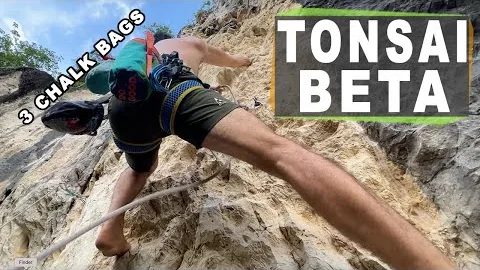
DEEP WATER SOLO CLIMBING TRIP FROM RAILAY / TONASI, SECRET BEACH KO PO DA NAI THAILAND KRABI VLOG #3
Join me on an unforgettable adventure in Thailand's Krabi region as we hike from Railay Beach to the quieter Tonsai Beach and ...
- Channel: Mati Global Vlog
Found a helpful clip from Mati Global Vlog if you want to watch it on YouTube.
How to Plan a Climbing Stay in Tonsai Without Wasting Good Conditions
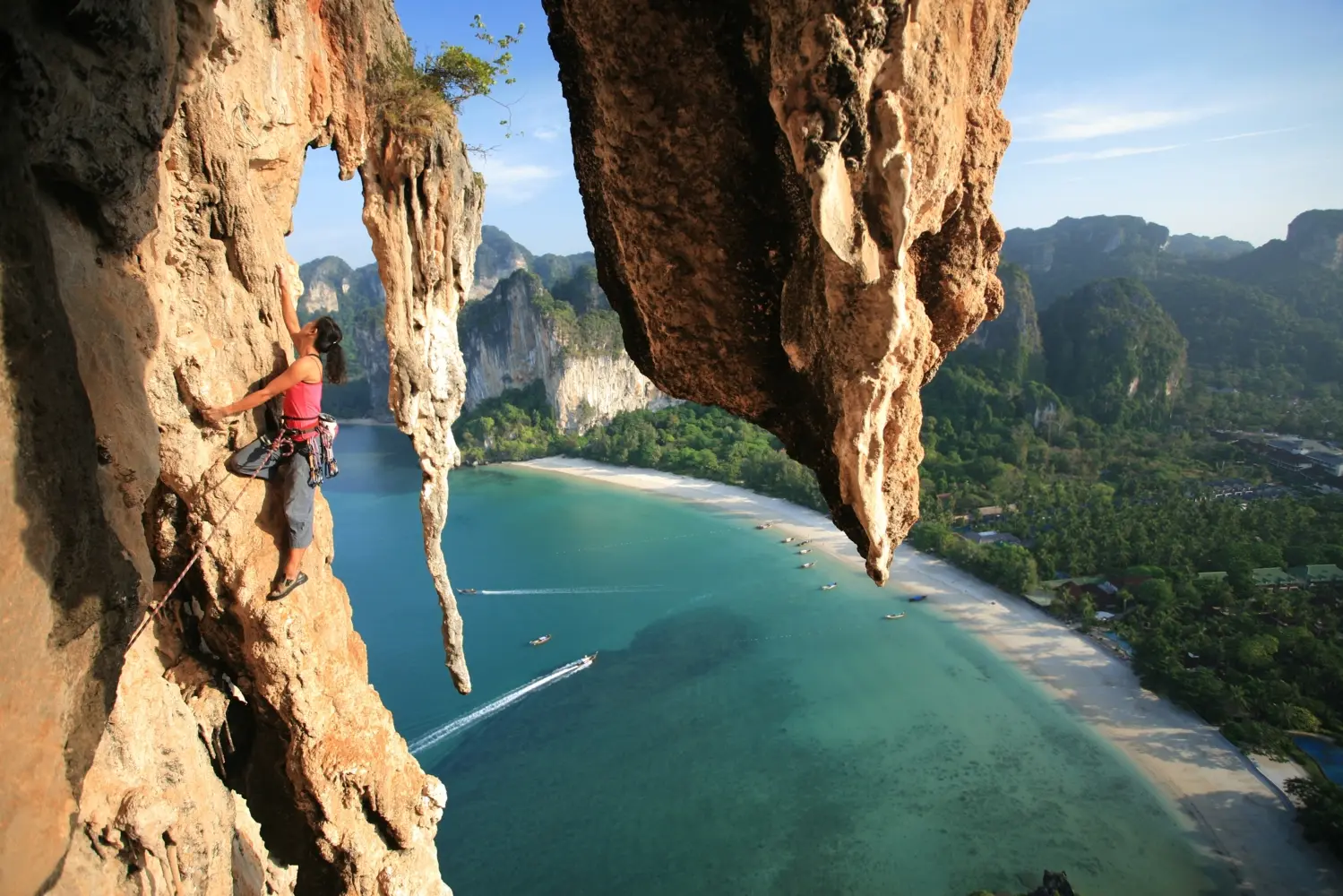
Time your visit around the season that fits your tolerance
November through February is the straightforward window. Rainfall drops, temperatures ease, and the rock holds consistent condition between weather systems. You still need to check local reports each morning because brief showers can appear without much warning, but those months simply ask for fewer compromises.
March through May pushes temperatures into a range that reshapes the day. Useful climbing hours contract to early mornings and late afternoons. Shade becomes valuable real estate on the approach. Hydration needs increase, and the temptation to push through oppressive heat should be met with a firm schedule rather than bravado.
June through October marks the wetter half of the year. Rain does not occupy every single hour, and prices along the strip tend to dip, which makes this period attractive for budget-conscious climbers. The trade-off is genuine unpredictability: approaches may flood, bolted lines can sit unusable for days, and the itinerary needs breathing room built in from the start.
- Target November to February if you want the most predictable climbing conditions.
- Plan March to May around early starts, shaded sectors, and aggressive hydration.
- Expect rain interruptions and lower costs from June through October, and build extra days into the itinerary.
- Decide upfront whether saving money during the wet season is worth accepting frequent lost mornings.
Let the routes decide your rack, not the other way around
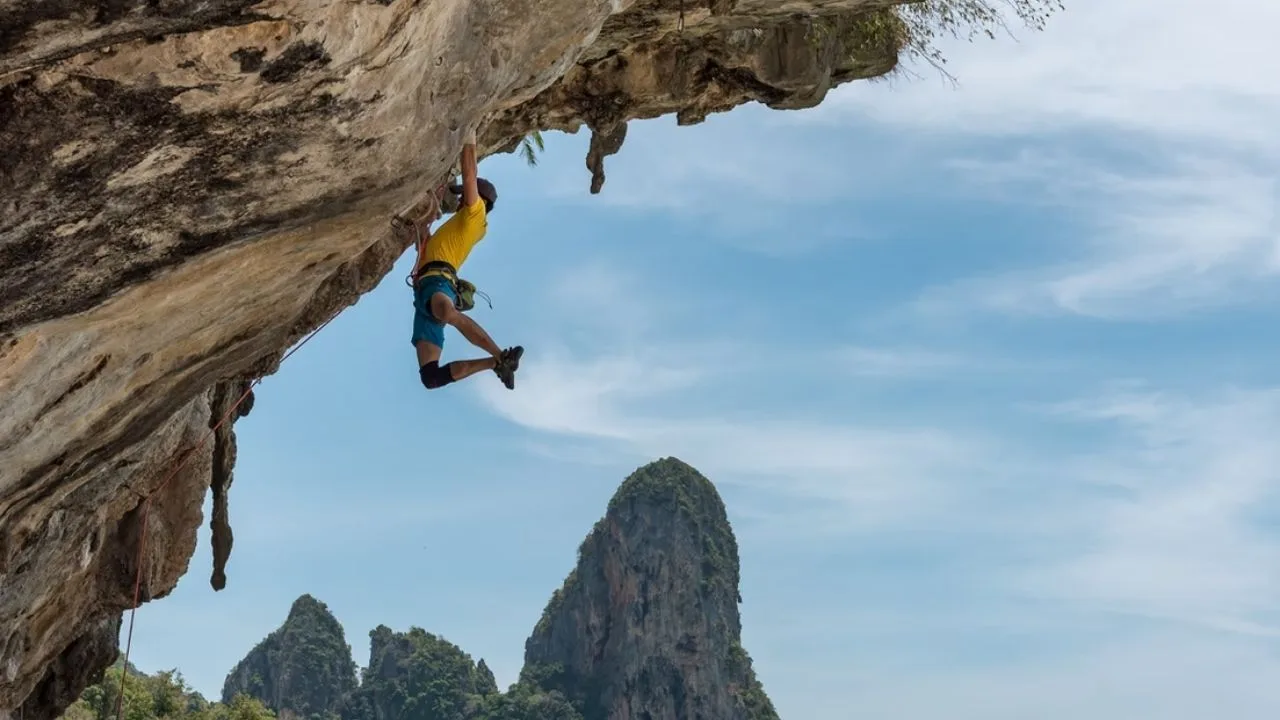
A boulderer walks light. A sport climber carries ropes, quickdraws, and lowering hardware. A multi-pitch visitor adds slings, long draw setups, and backup anchors. Deep-water soloing removes the rope entirely while leaving the risk untouched. Those categories demand very different packing decisions even when the destination is identical.
General guidance for Thailand references a 70-meter rope as adequate for many sport lines and an 80-meter option for longer descents. Quickdraw counts often land around fifteen with a handful of extended draws for awkward anchor configurations. Treat those figures as starting estimates, not commitments. Every descent plan, rappel length, and anchor arrangement should be verified against current local information before relying on old overview numbers.
Choose the sectors and grades your group can handle competently, then pull the route details first. Confirm rope length requirements, lowering method, and any special anchor needs from a guidebook, school instructor, or local climber who has climbed the line recently. Equipment follows the confirmed plan rather than dictating it.
- Define whether the trip focuses on bouldering, sport, multi-pitch, deep-water solo, or a mix.
- Confirm each route's rappel or lower requirement before committing to a 70-meter versus 80-meter rope.
- Calculate quickdraw needs per route, including extended draws where anchors are offset.
- Cross-check any overview recommendation against fresh local route information for the specific sector you intend to climb.
How to Plan a Climbing Stay in Tonsai Without Wasting Good Conditions
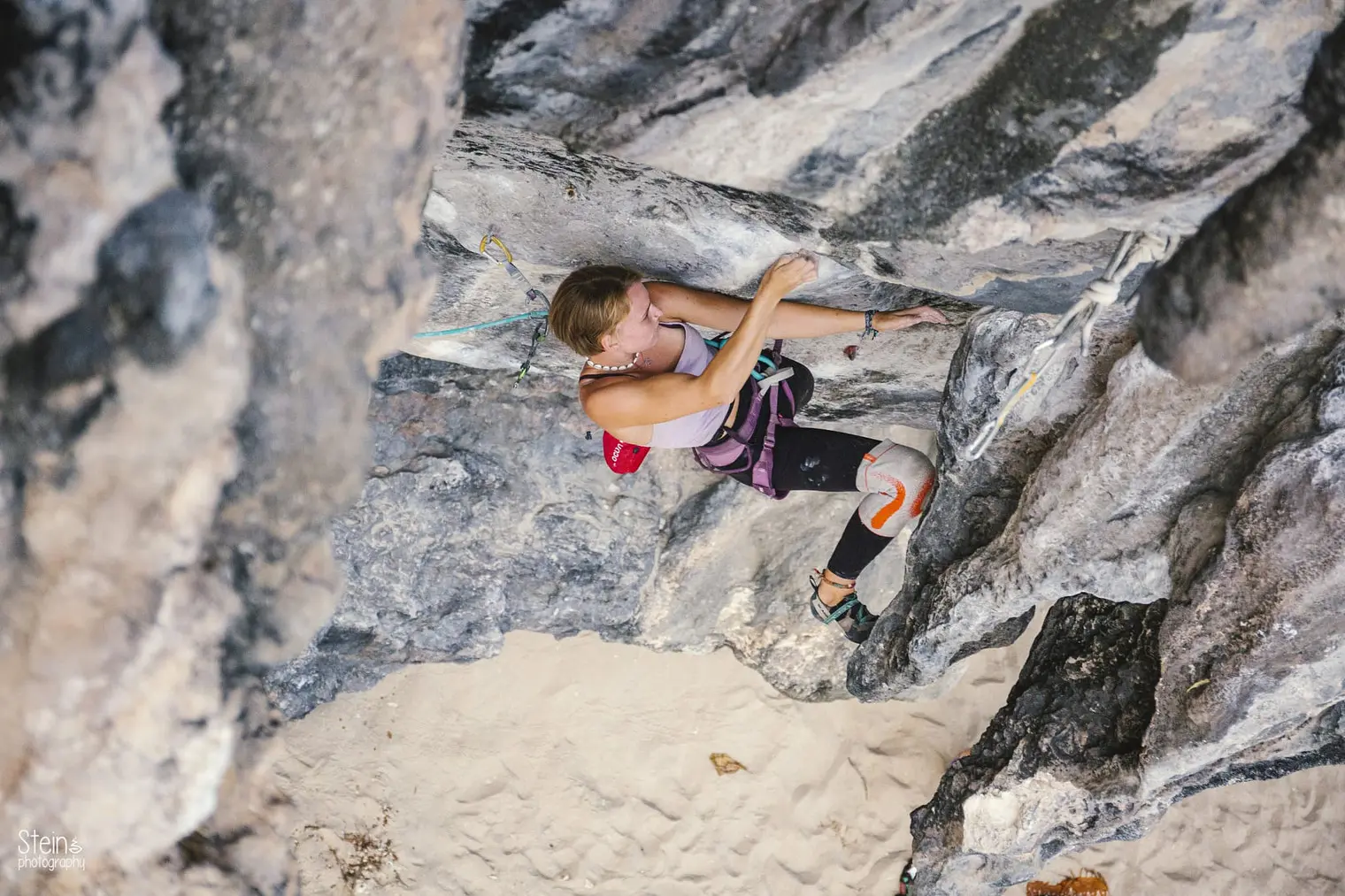
Rent strategically and inspect everything before it leaves the counter
Established bases like Tonsai and Railay stock ropes, harnesses, shoes, and basic racks, which means arriving with a lighter bag is realistic. Areas farther from these hubs expect you to bring more of your own system. Knowing which category applies to your itinerary prevents a painful surprise at the crag.
Personal footwear remains the strongest candidate for bringing your own pair. Rental shoes accumulate wear, absorb other people's foot shapes, and often arrive too stretched or too tight for confident movement. A harness and belay device you already trust reduce setup friction on busy mornings. Chalk, a personal safety sling, and locking carabiners are inexpensive items that still deserve a close look when picked up secondhand.
Inspection is not optional just because a shop handed it over. Examine rope sheath integrity, check carabiner gate action and lock threads, verify harness webbing for cuts or excessive abrasion, and confirm the belay device matches the rope diameter you brought. More importantly, confirm the entire rental package fits the route you selected: a rope that is too short, an insufficient quickdraw count, or an incompatible lowering setup turns a convenient rental into a failed plan.
- Bring personal shoes when precise fit matters for the grades you target.
- Inspect ropes, harnesses, carabiners, belay devices, and slings before accepting them.
- Verify that the rented package aligns with the chosen route length, anchor type, and lowering method.
- Do not let rental availability replace a thorough partner and systems check.
Find partners and instruction without skipping fundamental checks
Solo visitors typically connect through the walking-social scene in Tonsai or through online climbing groups. A useful post states the dates you are around, the area you prefer, honest current grade, climbing style, and whether you are seeking a lead partner, a follow partner, or instruction rather than a vague invitation. Specificity attracts the right people and filters out the rest.
Climbing schools operate throughout Tonsai and Railay, offering intro days, lead courses, and anchor-building sessions. Reviews help separate a proper introductory experience from a rushed outdoor session that assumes skills nobody has practiced indoors. If you can, complete basic lead familiarity in an indoor gym before arrival so the terminology and systems feel routine on day one.
A welcoming new partner is not a substitute for procedure. Before clipping in, agree on standard commands, belay technique, lowering protocol, maximum rope length in play, and what happens when voice communication becomes unreliable. Run through the knot and belay check together, then repeat that check whenever the situation changes at an anchor or during a transition.
- Post dates, location, honest grade, preferred style, and whether you want to lead, follow, or take instruction.
- Use local climbing schools when outdoor systems feel unfamiliar, and clarify exactly what each session covers.
- Compare school reviews and ask specific questions about route type, belay style, and instructor experience.
- Complete a mutual knot and belay check with every partner, regardless of prior climbing history.
Respect the crag environment and keep climbing communication intact
The limestone walls here are shared space. Bags, spare ropes, and spare hardware should stay out of active belay lanes so nobody trips while anchored and focused. Rubbish, including food wrappers, chalk bags, and disposable tape, leaves with the climber who brought it. Gear left temporarily on a bolted anchor is still in use and should not be moved or disturbed.
Unsolicited movement advice disrupts more climbs than it helps. Some climbers welcome beta; many prefer to work a problem without outside input. Ask before offering hold sequences or body-position tips, and accept a no immediately without pressing the point.
Audio becomes a hazard when it masks verbal commands. If music is part of your crag day, keep it at a volume that still allows clear hearing across the belay zone, and ask nearby groups before turning anything on. Climbing depends on hearing the climber, the belayer, and the person managing the rope below.
- Pack out all rubbish and leave the area cleaner than you found it.
- Keep bags and equipment out of active belay and approach zones.
- Ask permission before giving beta to another climber.
- Keep music volumes low enough that climbing commands remain audible across the belay area.
Lock down insurance coverage and protect your judgment with rest
Most routine travel policies exclude rock climbing or limit coverage to very narrow parameters. Adventure-worded policies may still draw lines around sport climbing, multi-pitch climbing, bouldering, helicopter evacuation, or specific height thresholds. The wording you read quickly online is not always the wording that applies to your actual policy, so request the exact activity list and exclusion clauses from the insurer before departure.
Safety habits erode gradually, not abruptly. Fresh equipment inspections, deliberate knot checks, and repeated belay confirmations compound into fewer emergencies. Repeat the system check whenever anything shifts at the anchor, when the belayer changes, or when the lowering setup differs from the ascent plan.
Rest days are safety equipment, not wasted time. Heat stress, accumulated rain delays, late social evenings, and back-to-back hard projects all degrade concentration. When fatigue or weather signals suggest pausing, an indoor session, a beach afternoon, or a full rest day keeps the trip on track better than forcing compromised climbing.
- Perform mutual knot and belay checks before every climb and again after any system change.
- Confirm the exact sport climbing, multi-pitch, bouldering, and evacuation wording in your insurance policy before travel.
- Ask the insurer directly when policy language feels ambiguous rather than assuming coverage exists.
- Schedule rest days intentionally and treat weather-related pauses as normal parts of the plan.