
First-Time Rock Climbing in Tonsai and Railay Thailand
Start with a qualified lesson, learn the rope system before leaving the ground, and treat heat, fatigue, wet rock, and unclear safety checks as reasons to slow down.
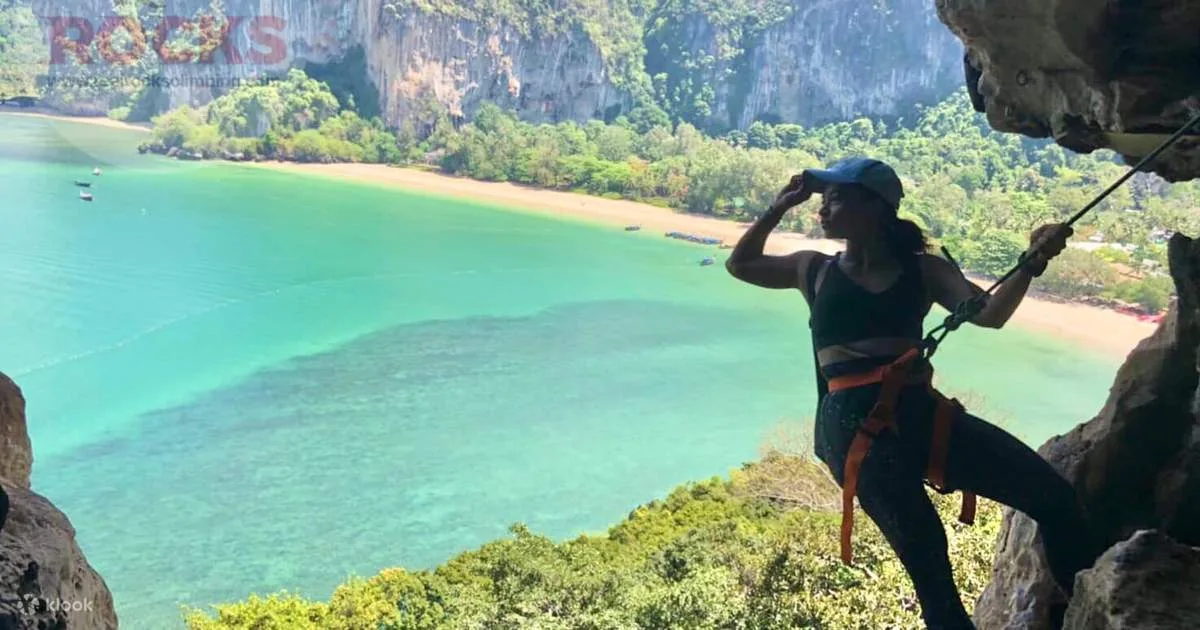
First-Time Rock Climbing in Tonsai and Railay Thailand
- Start with a structured lesson covering belaying and safety protocols
- Choose attire that remains comfortable while wearing a harness
- Limit initial climbs to preserve technique and mental focus
- Capture photos without interfering with climbing operations
- Approach bouldering as a distinct activity requiring its own precautions
- Postpone climbing if environmental or human factors compromise safety
Tonsai and Railay make climbing look wonderfully accessible: limestone walls rise beside the beach, gear shops sit close to the paths, and experienced climbers are everywhere. A complete beginner can join in, but the first session should begin with instruction rather than borrowed equipment and guesswork.
Keep the goal modest. Learn the harness, knot, partner check, commands, and lowering procedure on an easy route; wear clothing that works under leg loops; and stop before heat or tired forearms make communication sloppy. A calm half-day teaches more than a rushed attempt to climb as high as possible.
Tonsai and Railay climbing - Things we learnt
Tonsai and Railay offer some awesome sport climbing but there are some things worth knowing before you go.
- Channel: NoRest
Found a helpful clip from NoRest if you want to watch it on YouTube.
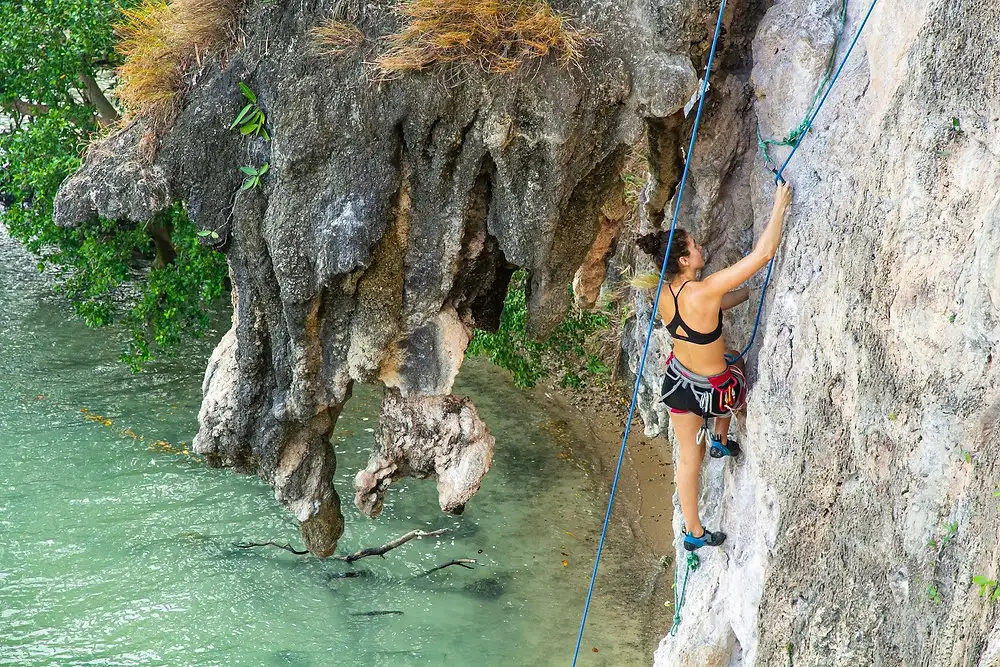
First-Time Rock Climbing in Tonsai and Railay Thailand
Start with a structured lesson covering belaying and safety protocols
Belaying is a specialized skill that cannot be learned through general fitness alone. Beginners need direct instruction on properly fitting a harness, tying secure knots, operating belay devices, conducting thorough partner checks, using standardized commands, and safely lowering a climber. Enrolling with a certified local climbing provider offers the most reliable way to acquire these foundational skills.
While seasoned climbers may share helpful insights, assuming all enthusiastic visitors are qualified instructors can be risky. Verify who is overseeing the rope system, confirm the session is designed for novices, and ensure there is a clear plan if you feel unsure about belaying at any point.
- Ensure your guide or partner holds current training to teach beginners and manage belays.
- Review harness fit, knot security, device handling, and partner checks before each ascent.
- Select routes suited for learning fundamentals rather than purely scenic value.
- Remain on the ground until every command and equipment step is fully understood.
Choose attire that remains comfortable while wearing a harness
Short or baggy shorts may shift uncomfortably under leg loops, so opt for well-fitted, stretchy bottoms like performance shorts or lightweight pants that offer full coverage. Pair this with a breathable top that won’t bunch around the waistbelt. Save climbing shoes for arrival at the wall; wear regular footwear like sandals or approach shoes for the walk-up.
Bring a towel or small mat to designate a clean area for changing into climbing shoes, preventing sand from entering the tight-fitting footwear. Also pack sun protection and water—even shaded areas involve prolonged standing and waiting in Krabi’s warm climate.
- Select flexible garments that provide adequate coverage beneath harness straps.
- Use casual footwear for approaching the crag.
- Change into climbing shoes on a clean surface using a towel or mat.
- Stay hydrated and protected from the sun during breaks and preparation time.
First-Time Rock Climbing in Tonsai and Railay Thailand
Limit initial climbs to preserve technique and mental focus
New climbers often grip holds too tightly, leading to premature forearm fatigue. Opt for multiple short attempts with full recovery between them instead of trying one extended climb once tiredness sets in. Timing matters: mornings or late afternoons may be cooler, but shade conditions and recent rainfall affect safety more than the clock. Choose walls recommended for beginners and end the session while you’re still able to communicate clearly and perform accurate safety checks.
- Focus on footwork by starting on less strenuous terrain.
- Rest thoroughly until both grip strength and attention return to normal.
- Reinspect your harness and knot following significant pauses or gear adjustments.
- Cease activity when heat or exhaustion compromises your ability to follow instructions.
Capture photos without interfering with climbing operations
Cameras and phones pose risks if they fall onto climbers below, strike rock surfaces, or obstruct harnesses and ropes. Decide beforehand whether the guide will handle photography or if a securely mounted action camera is appropriate for the route. The belayer must remain focused entirely on managing the rope and monitoring the climber—not on screens or filming tasks.
Keep all electronic devices away from critical safety zones including helmets, knots, belay loops, and rope paths. Avoid handheld recording during introductory climbs, and delegate photo duties to someone outside the active belaying-climbing pairing.
- Mount or secure cameras before anyone ascends.
- Ensure attachments do not interfere with helmets, knots, belay loops, or rope movement.
- Never request the belayer to film during a climb.
- Allow the guide to determine safe times and positions for taking pictures.
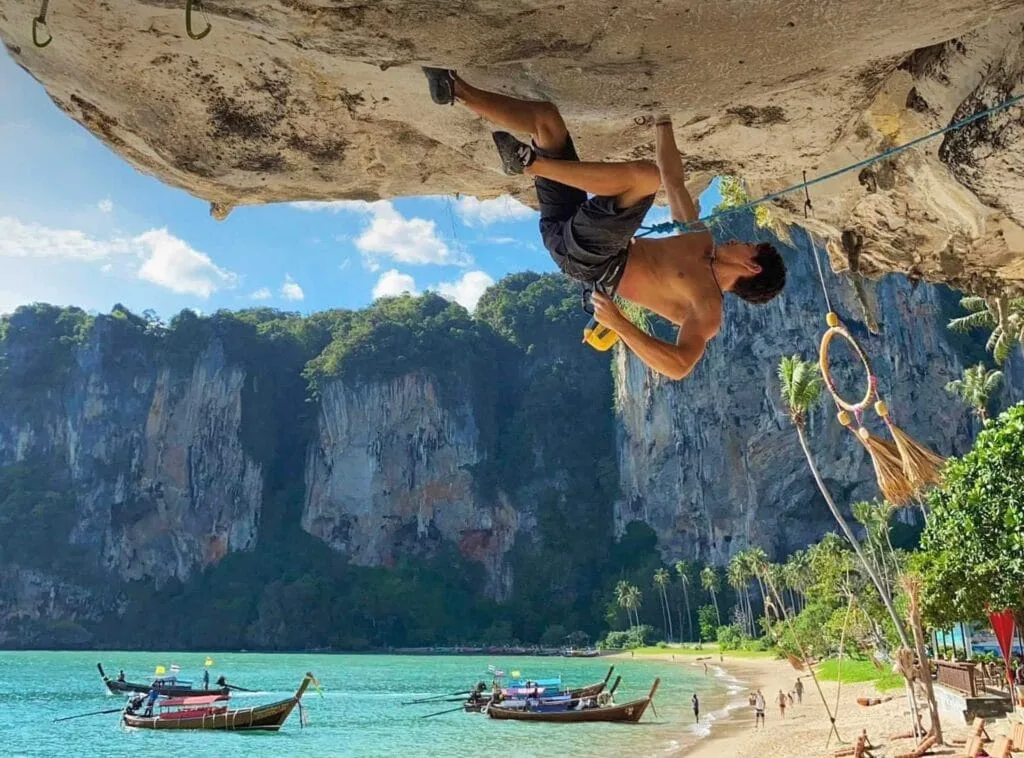
Approach bouldering as a distinct activity requiring its own precautions
Although bouldering eliminates ropes and keeps heights low, every fall still results in contact with the ground. Uneven surfaces like sand, roots, or scattered rocks increase injury risk to ankles, wrists, or backs. Stick to designated bouldering zones equipped with crash pads and supervised by experienced spotters. Practice controlled stepping down and falling techniques before attempting challenging moves. Some beginners may actually feel more secure with a properly guided roped session due to enhanced oversight and structure.
- Place adequate crash padding beneath expected landing areas.
- Learn how to land safely before attempting dynamic moves.
- Remove bags, bottles, and sharp objects from potential fall zones.
- Verify access status and current conditions through an established local operator.
Postpone climbing if environmental or human factors compromise safety
Wet limestone, missing protective gear, questionable knots, or partners who disregard safety checks are valid reasons to postpone climbing. Consider alternative activities such as beach walks, exploring nearby villages, or observing experienced climbers ascend safely instead. After any impactful fall, seek immediate medical attention for symptoms including head trauma, intense pain, numbness, restricted motion, visible deformities, or inability to bear weight—these signs exceed typical first-day muscle soreness and require professional evaluation.
- Avoid climbing on damp or rain-soaked rock faces.
- Do not proceed with individuals who skip essential safety verifications or pressure you prematurely.
- Have backup non-climbing plans ready for adverse weather or unsafe conditions.
- Prioritize emergency care for neurological issues, structural injuries, or loss of function after a fall.